The People Behind the Patrol
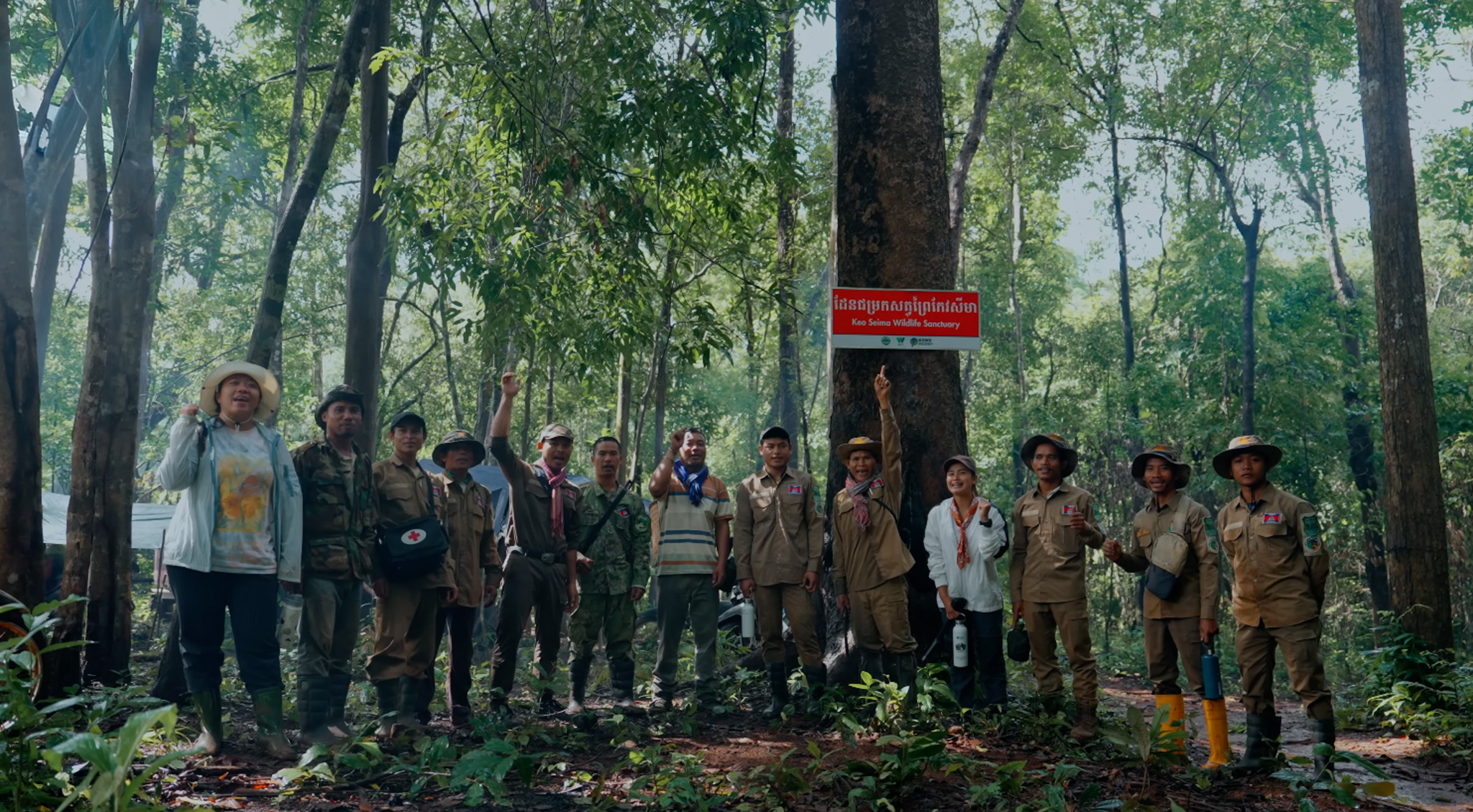
I joined the O’Porong community patrol team to experience what their daily conservation work actually looks like. Their responsibility goes far beyond simply observing the landscape. The team monitors the condition of the forest, looks for signs of wildlife, records important observations, and searches for illegal activities that could threaten the ecosystem.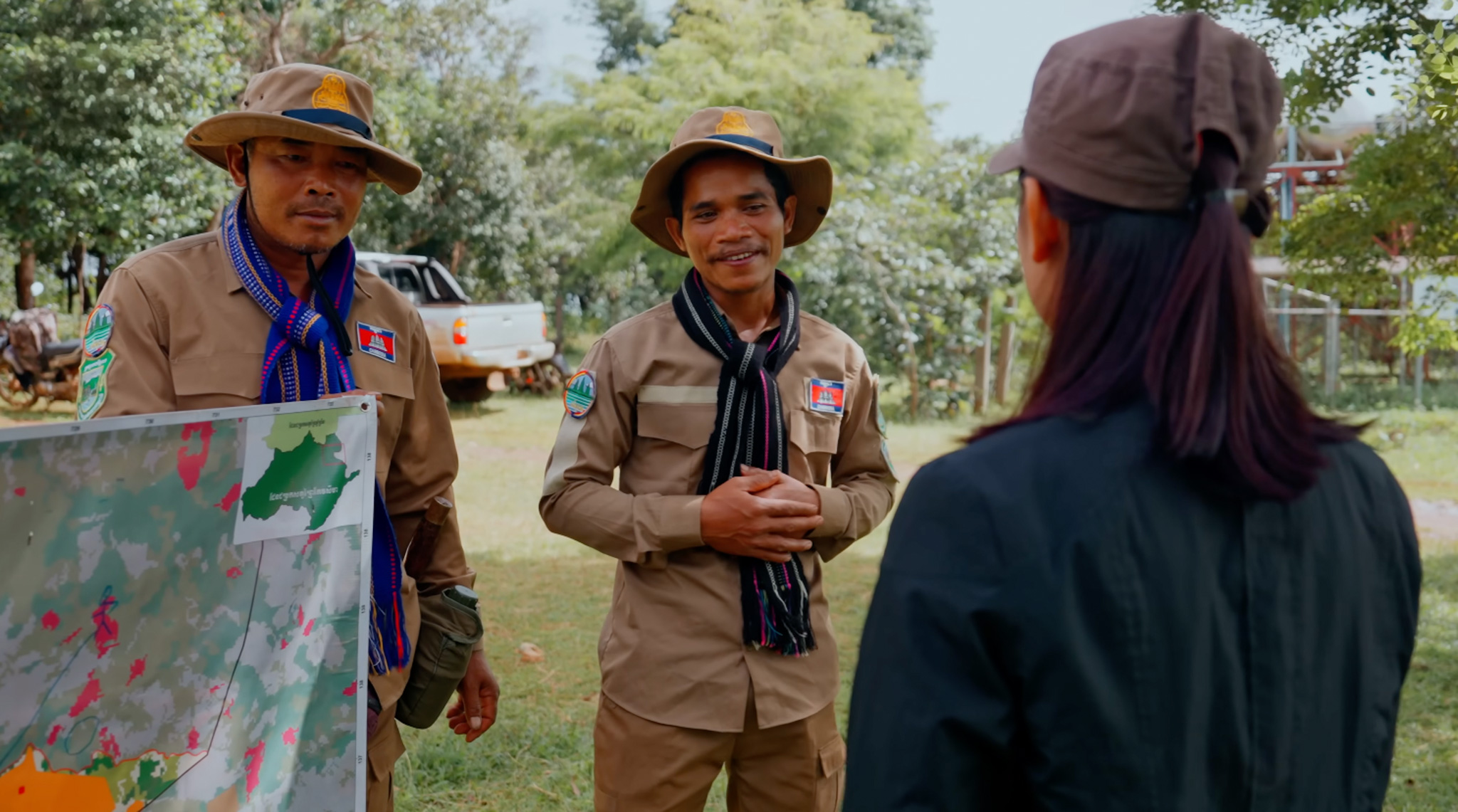
One of the things they look for is evidence of wildlife activity, including signs of elephants and other animals living within the sanctuary. They also search for hunting traps and remove them when they are discovered.
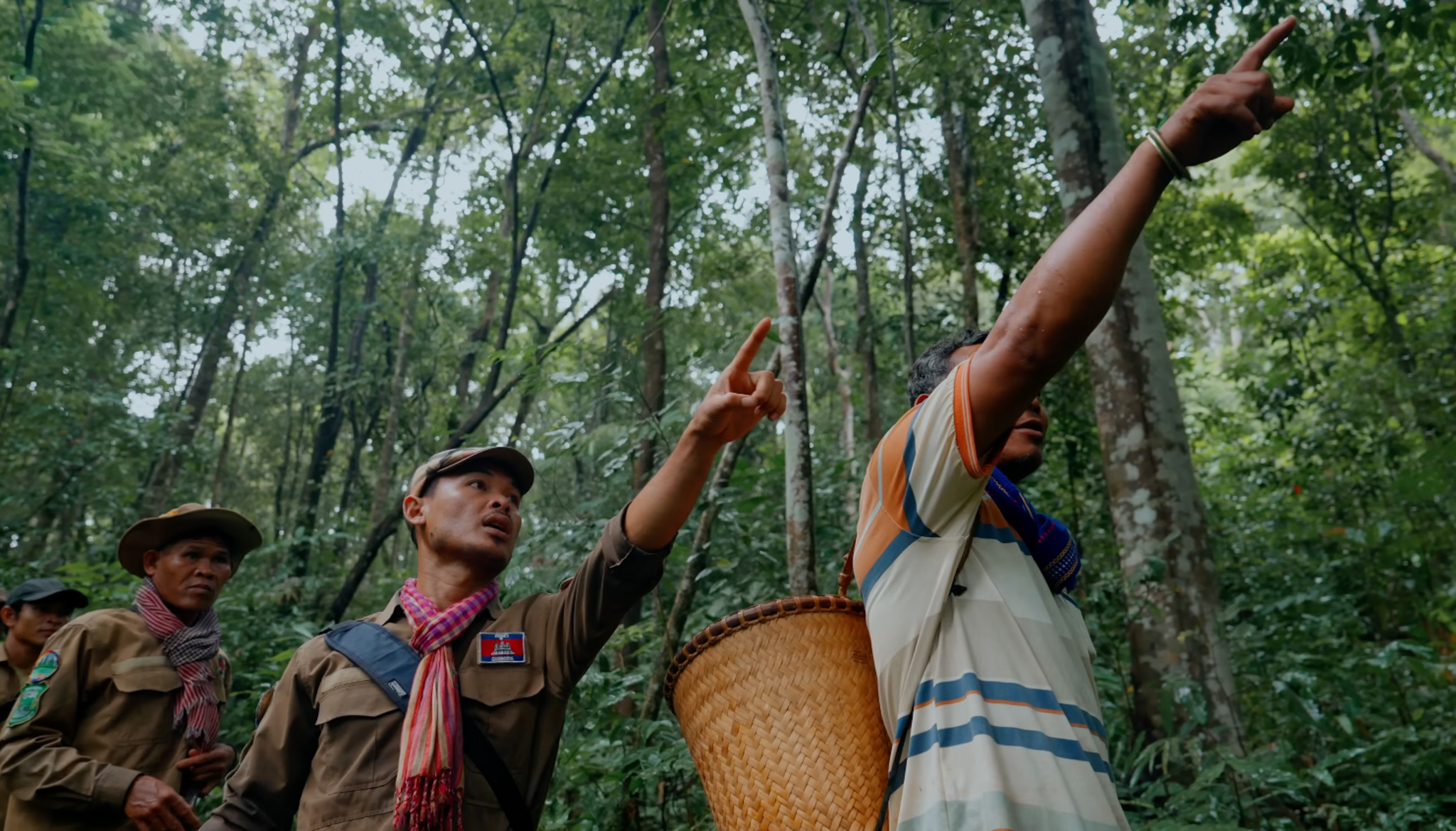
Following the team gave me a different perspective on the sanctuary. As a traveller, it is easy to focus on the beauty of the landscape and the wildlife we hope to see. For the patrol team, every trail, footprint, broken branch, or other sign can provide important information about what is happening around them.Their work requires patience, physical strength, and a deep understanding of the area.
Following the Signs of Wildlife
Wildlife monitoring is an important part of the patrol team’s work.
The team pays close attention to signs left by animals and records information that can help conservation teams understand how wildlife uses the sanctuary. Seeing their work reminded me that protecting wildlife is not simply about finding animals. Much of conservation happens through observation, documentation, and understanding the environment around them.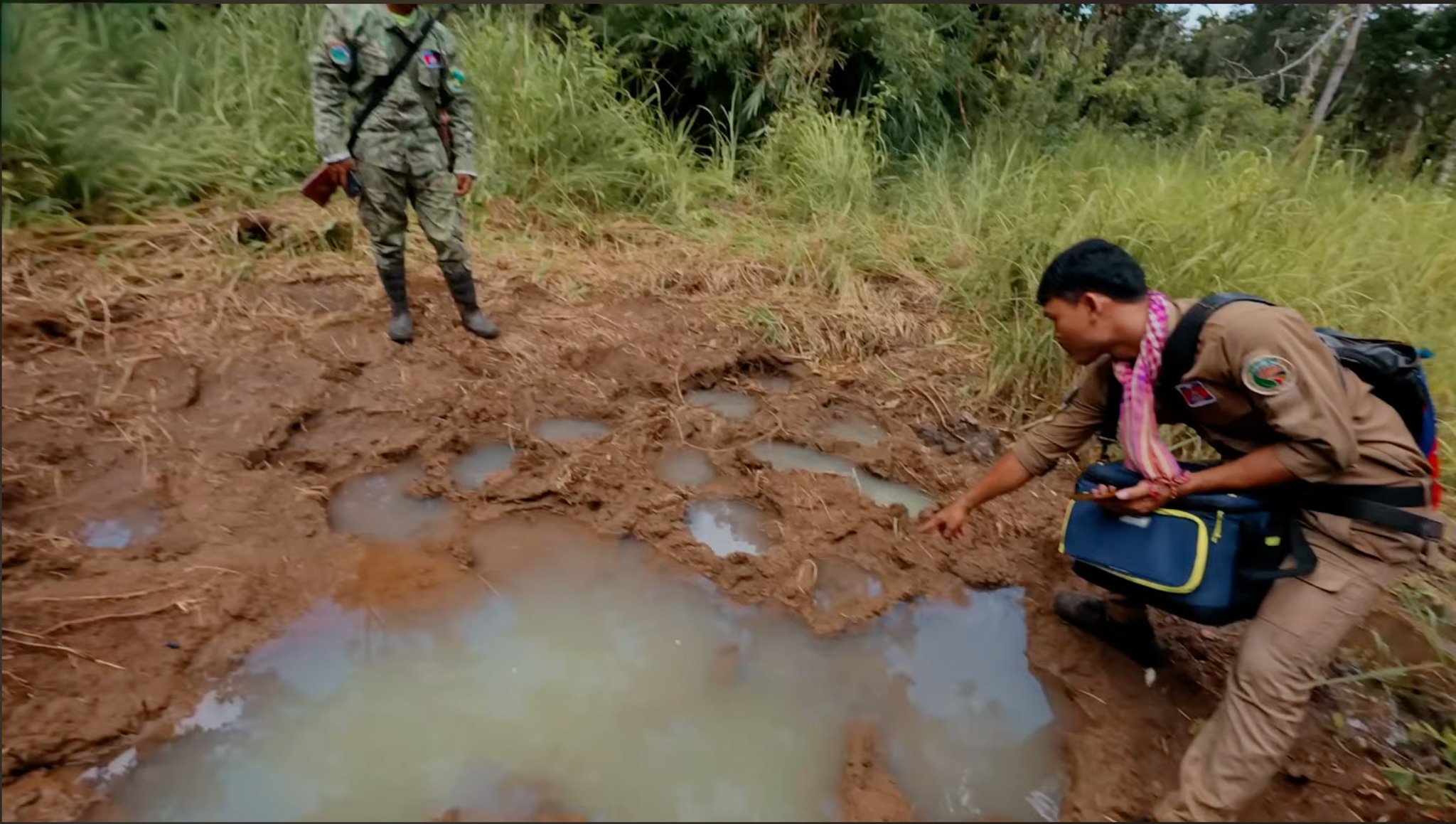
Elephants and other wildlife depend on large areas of healthy habitat, which makes protecting the wider ecosystem just as important as protecting individual species. The patrol team also searches for traps used by hunters. Removing these traps can prevent wildlife from being injured or killed and helps reduce threats within protected areas. Every patrol therefore contributes to a much bigger conservation effort.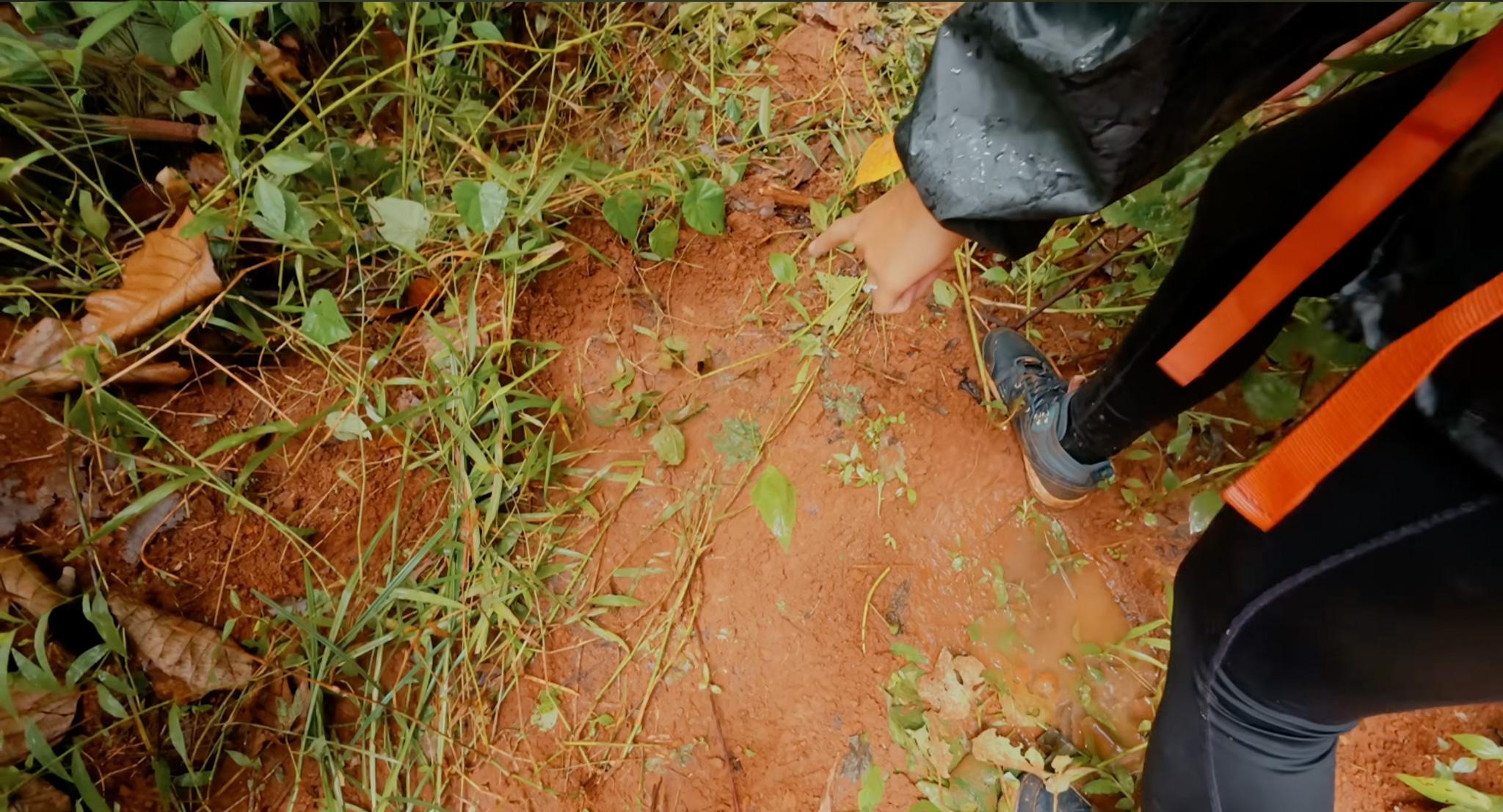
Technology Supporting Conservation
One of the most interesting parts of my experience was learning about the SMART system, a technology used by conservation teams to collect and analyze information from patrols.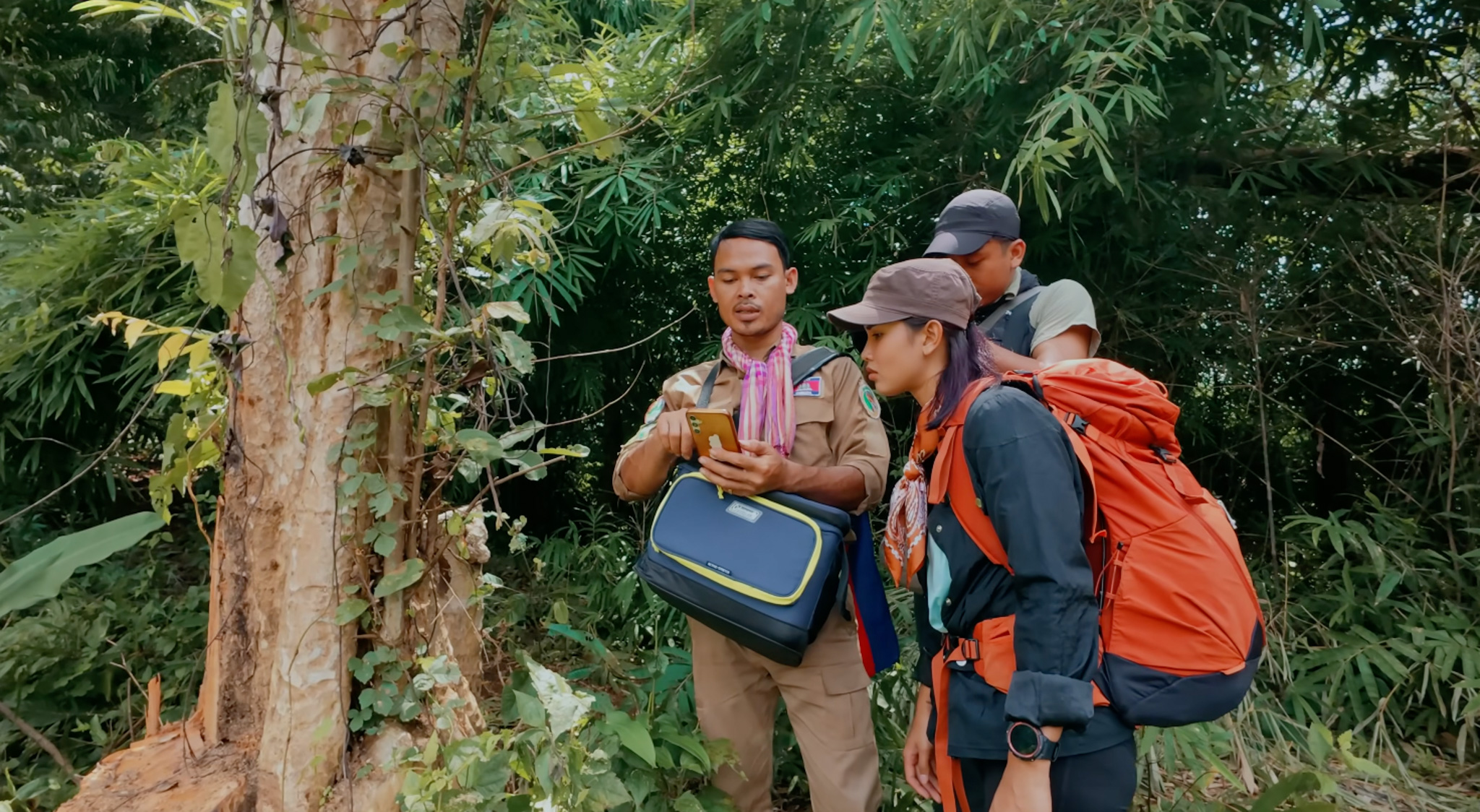
The team can record wildlife sightings, illegal logging activities, traps, locations, and other observations. This information helps conservation organizations identify patterns and understand which areas may require greater attention. What impressed me was how technology and local knowledge work together.
The Bu nong community has generations of knowledge about the land and its wildlife, while tools such as SMART help transform observations from individual patrols into useful information for conservation planning. This combination makes the patrol system more effective and helps teams make better decisions based on evidence.
Protecting Ancestral Land
As the day continued, I began to understand that the patrol work means much more to the Bunong community than protecting wildlife.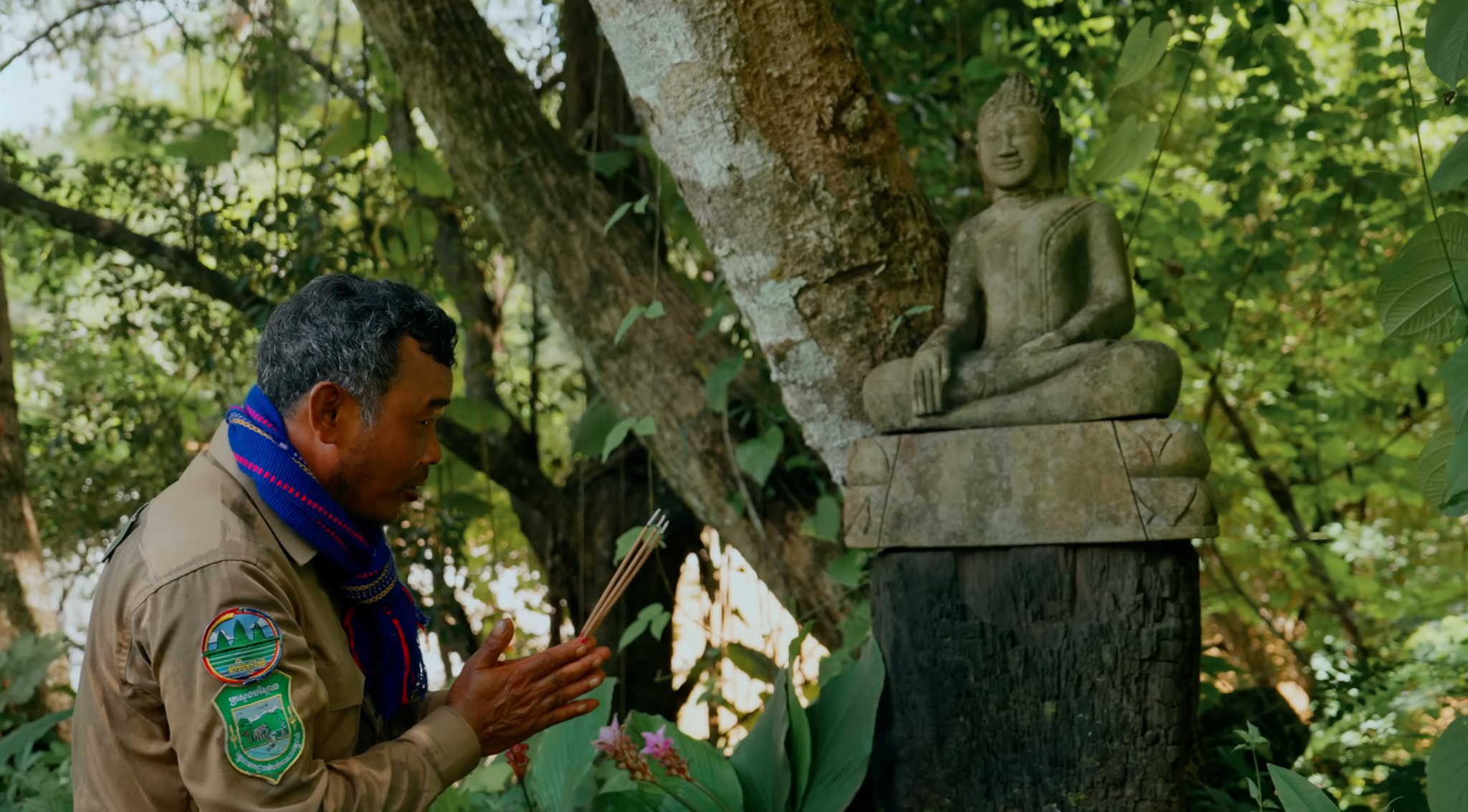
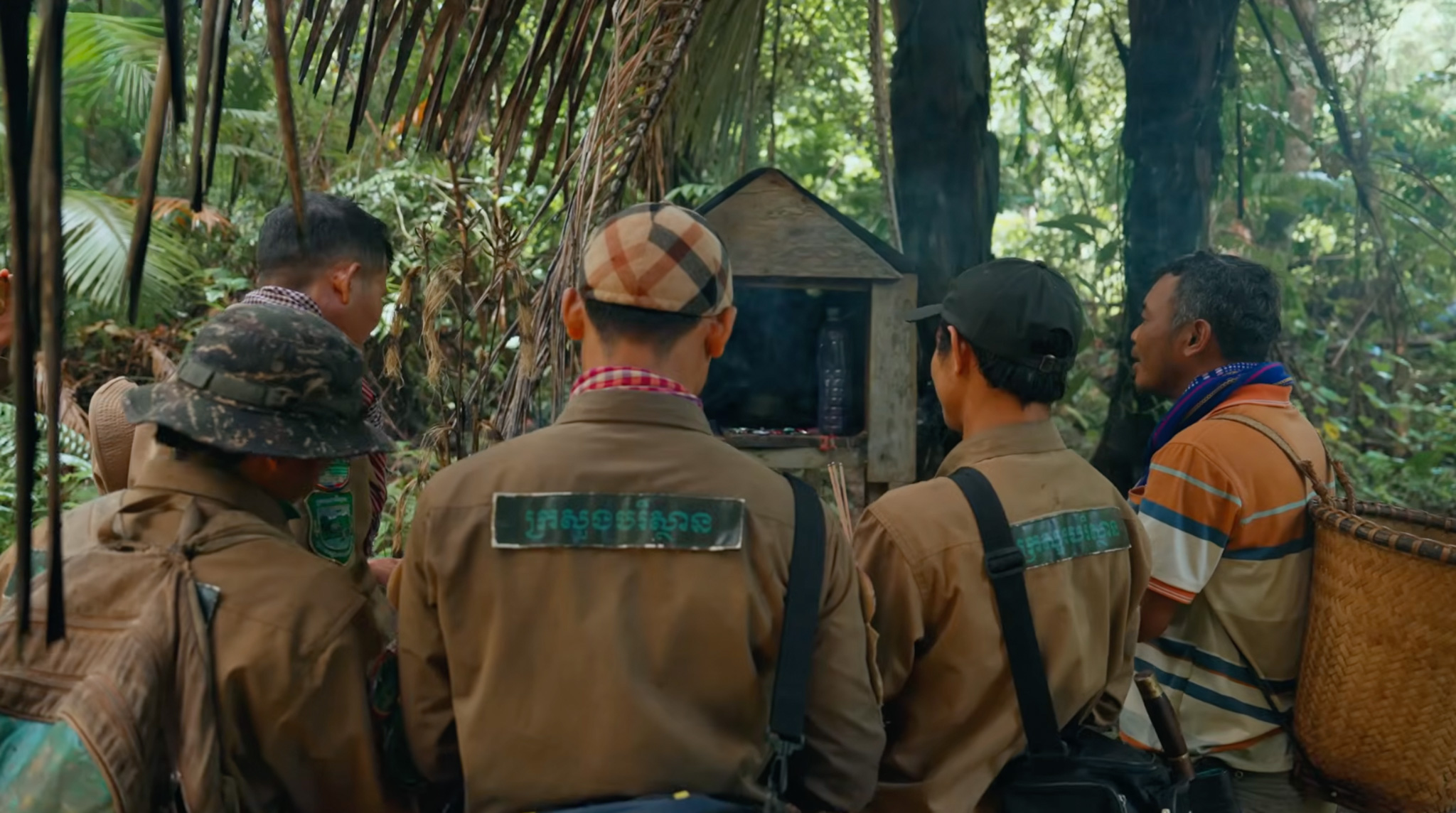
The forest is part of their ancestral land, history, culture, and identity. Protecting it also means protecting a place that has supported their communities for generations. This is why community participation is so important in conservation.
When local communities are directly involved in protecting the landscape they depend on, conservation becomes connected to their own future. Their knowledge and experience can also contribute something that outside teams may not have.
For the Bunong community, protecting the forest means protecting both nature and the heritage connected to it.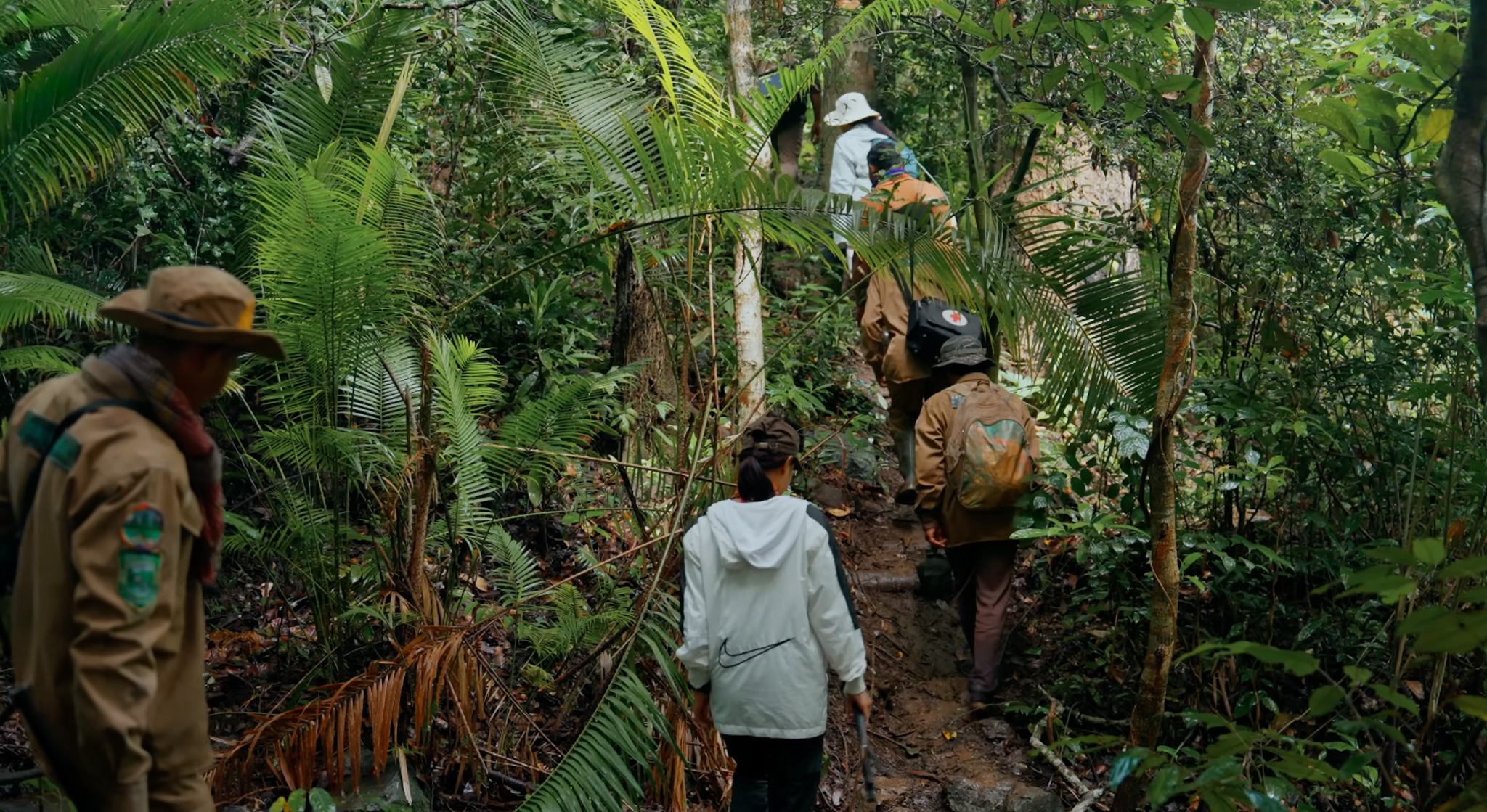
The Challenges They Face
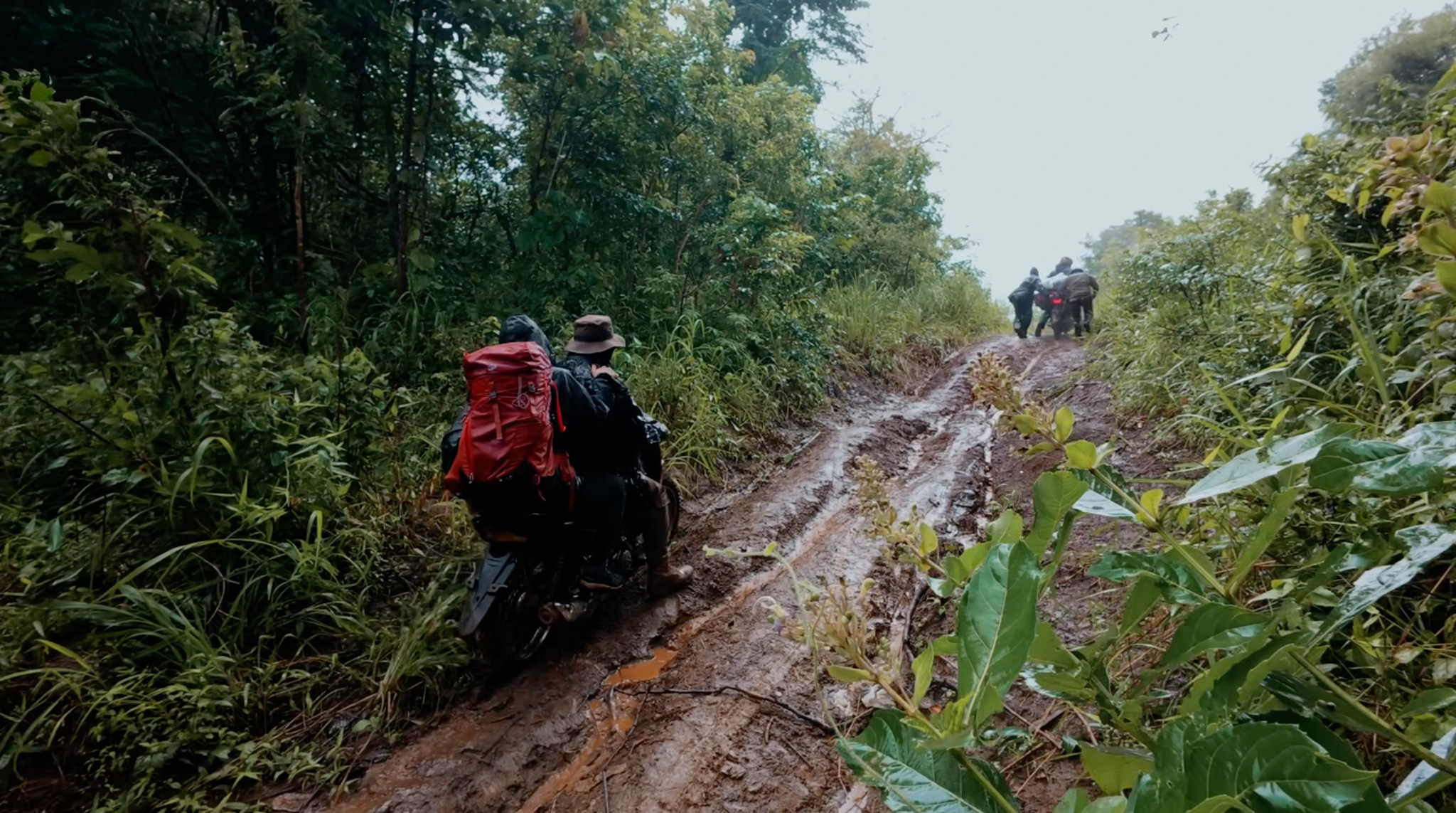
The work of a forest patrol team is physically demanding and can also involve serious risks. The teams travel through difficult terrain, spend long periods monitoring remote areas, and may encounter evidence of illegal logging or hunting. They also have to work closely with authorities when stronger enforcement is required.
Despite these challenges, the patrol teams continue their work because the threats facing the forest cannot simply be ignored. Their efforts reminded me that a protected area does not protect itself. It requires people who are willing to spend their time monitoring, documenting, responding, and caring for the landscape.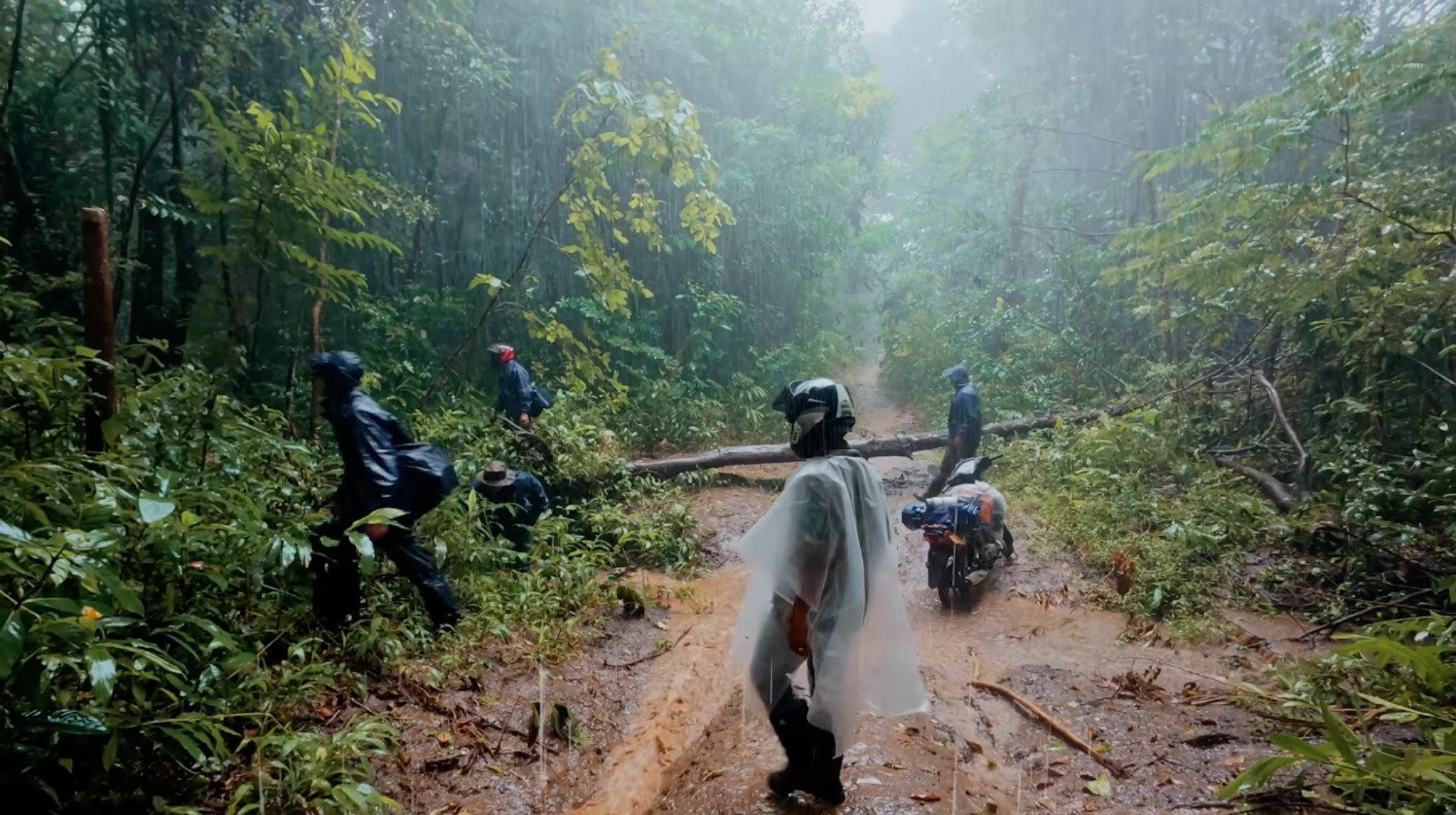
A Responsibility Beyond the Forest
My experience also made me think about the role that ordinary people play in conservation. The work of community patrols, rangers, and conservation organizations is essential, but the pressure on forests and wildlife is also influenced by what people consume.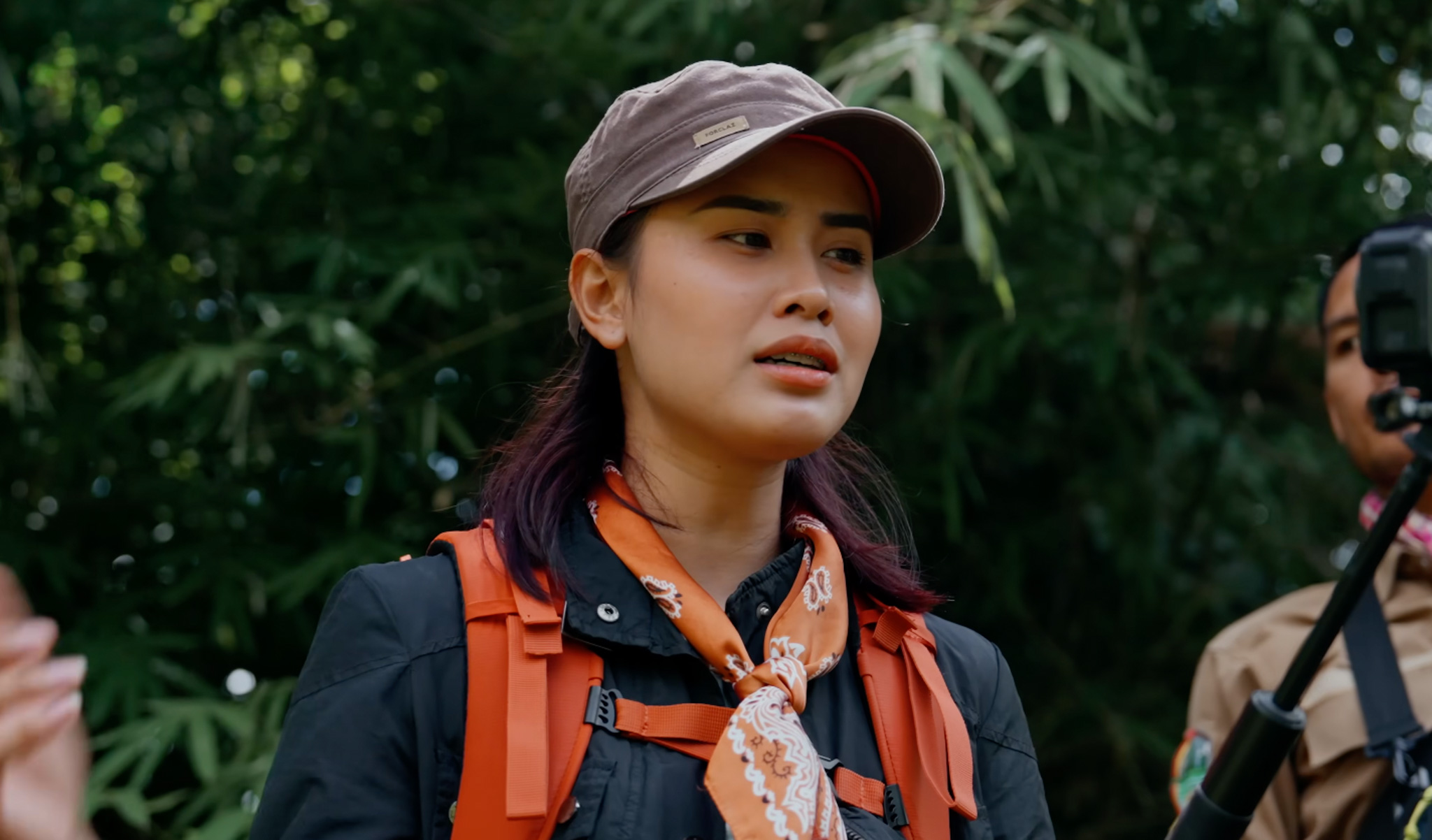
Demand for illegal forest products and wild animal meat can contribute to the destruction of natural habitats and threaten wildlife. This means that conservation is not only the responsibility of the people working in protected areas. Our choices outside the forest matter too.
Reducing our consumption of illegal wildlife products and unsustainably sourced forest products is one practical way we can contribute to protecting Cambodia’s natural heritage.
What I Took Away From the Experience
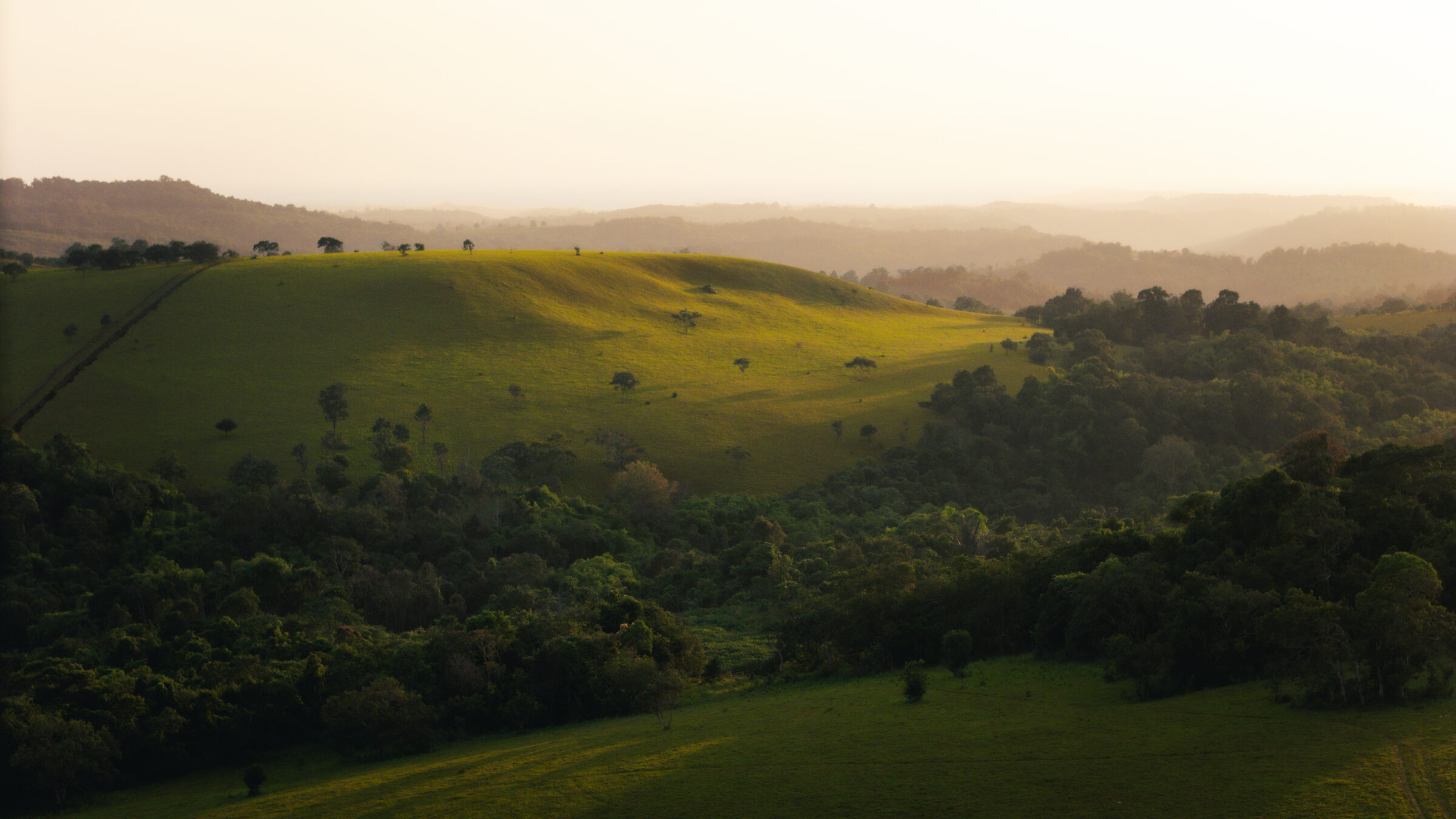
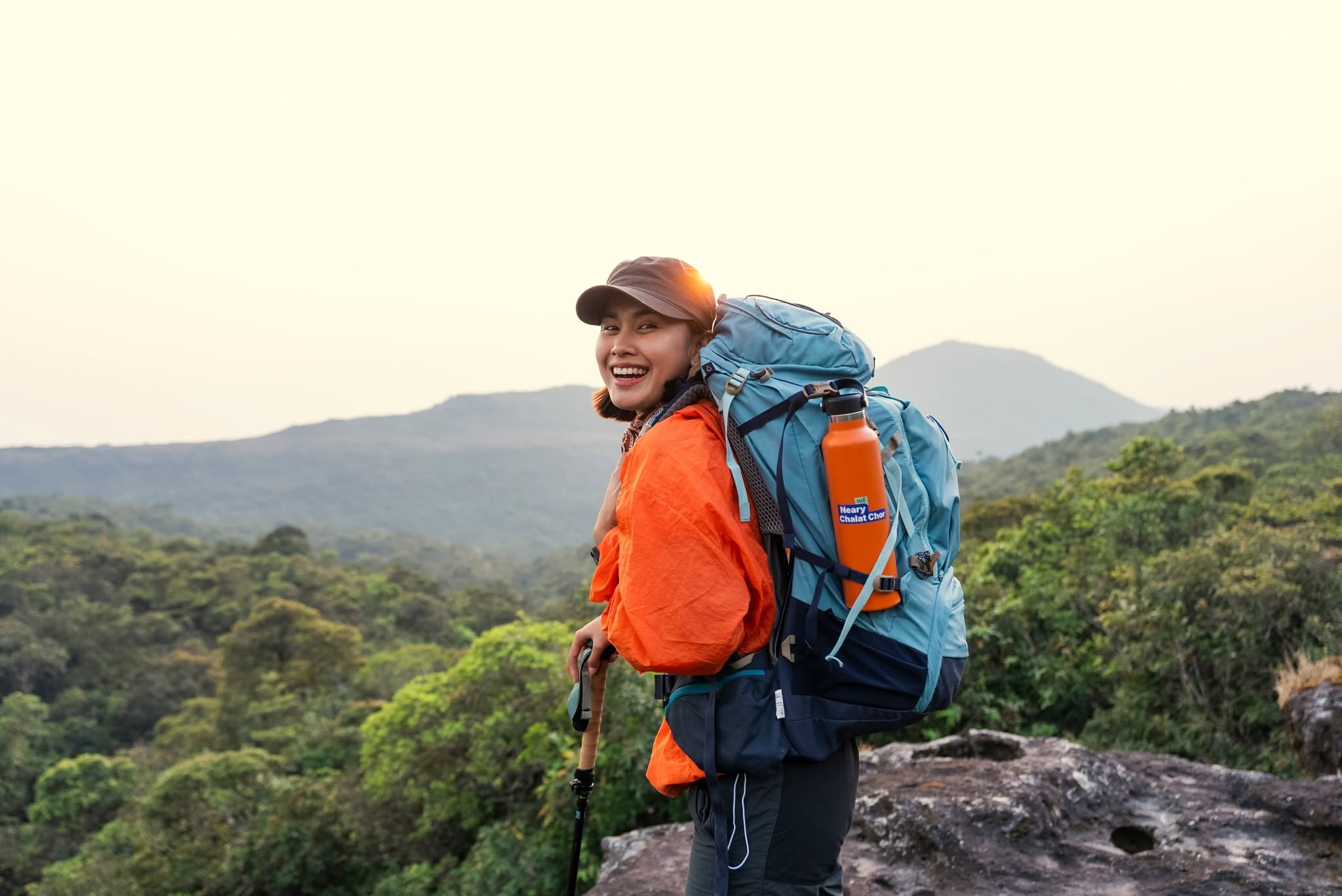
Joining the O’Porong community patrol team gave me a completely different perspective on Keo Seima Wildlife Sanctuary.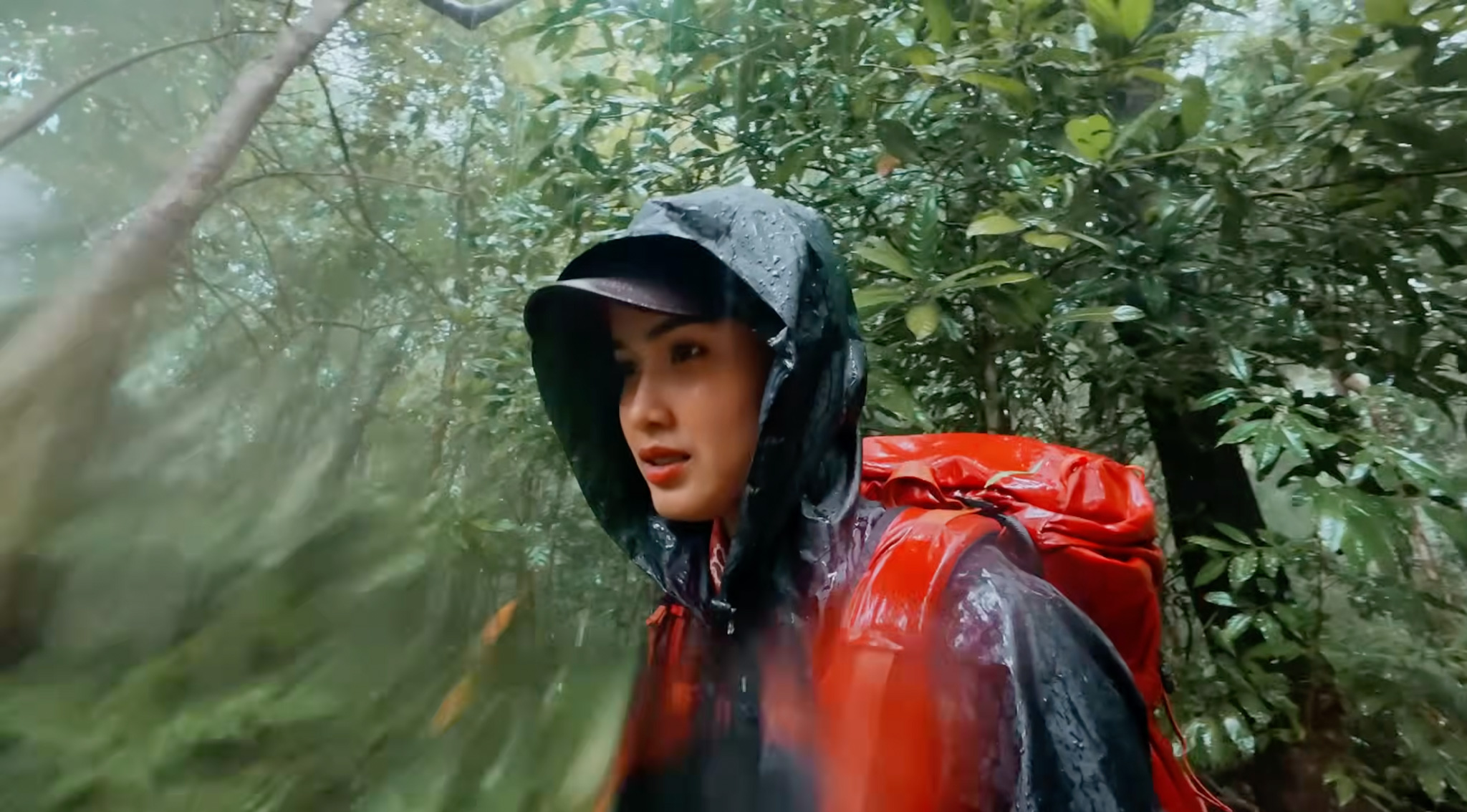
I came to learn about conservation, but I left with a deeper appreciation for the people who dedicate their time to protecting the landscape. I saw how Bunong community members, park rangers, and conservation organizations work together, combining local knowledge, modern technology, and practical experience to monitor the forest and protect its wildlife. Most importantly, I learned that conservation is not simply about creating protected areas. It requires people who understand the land, care about its future, and are willing to take responsibility for protecting it.
Keo Seima is home to wildlife, forests, communities, and generations of cultural knowledge. Protecting one part of that story means recognizing the importance of all the others.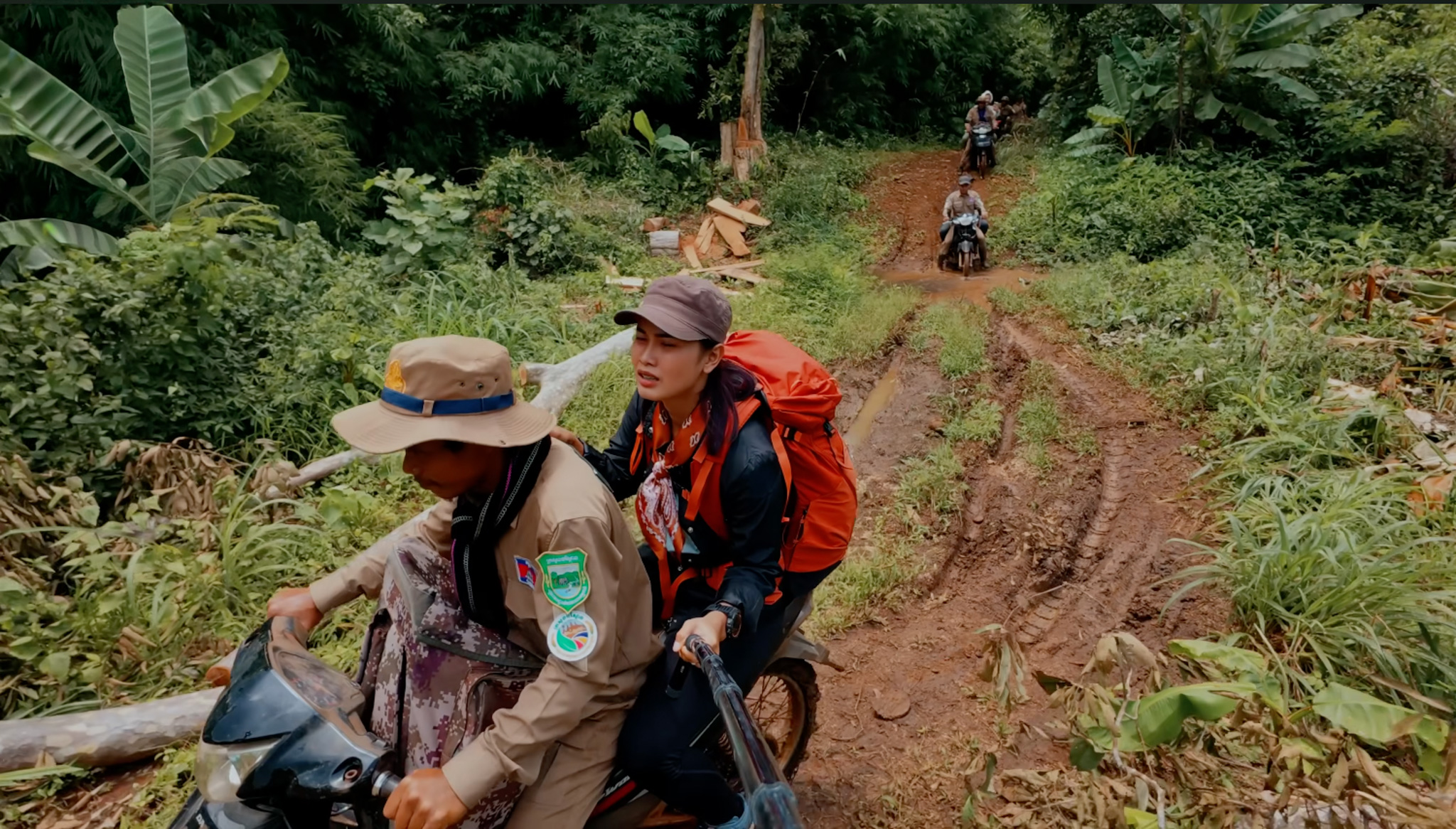
For me, walking alongside the people responsible for protecting this landscape was a reminder that Cambodia’s natural heritage belongs to all of us. If we want these forests and wildlife to remain here for future generations, our responsibility begins not only with the people who patrol them, but also with the choices we make every day.
“Protecting nature begins with understanding its value, but it continues through the people who choose to take responsibility for its future.” — Neary Chalat Chor