
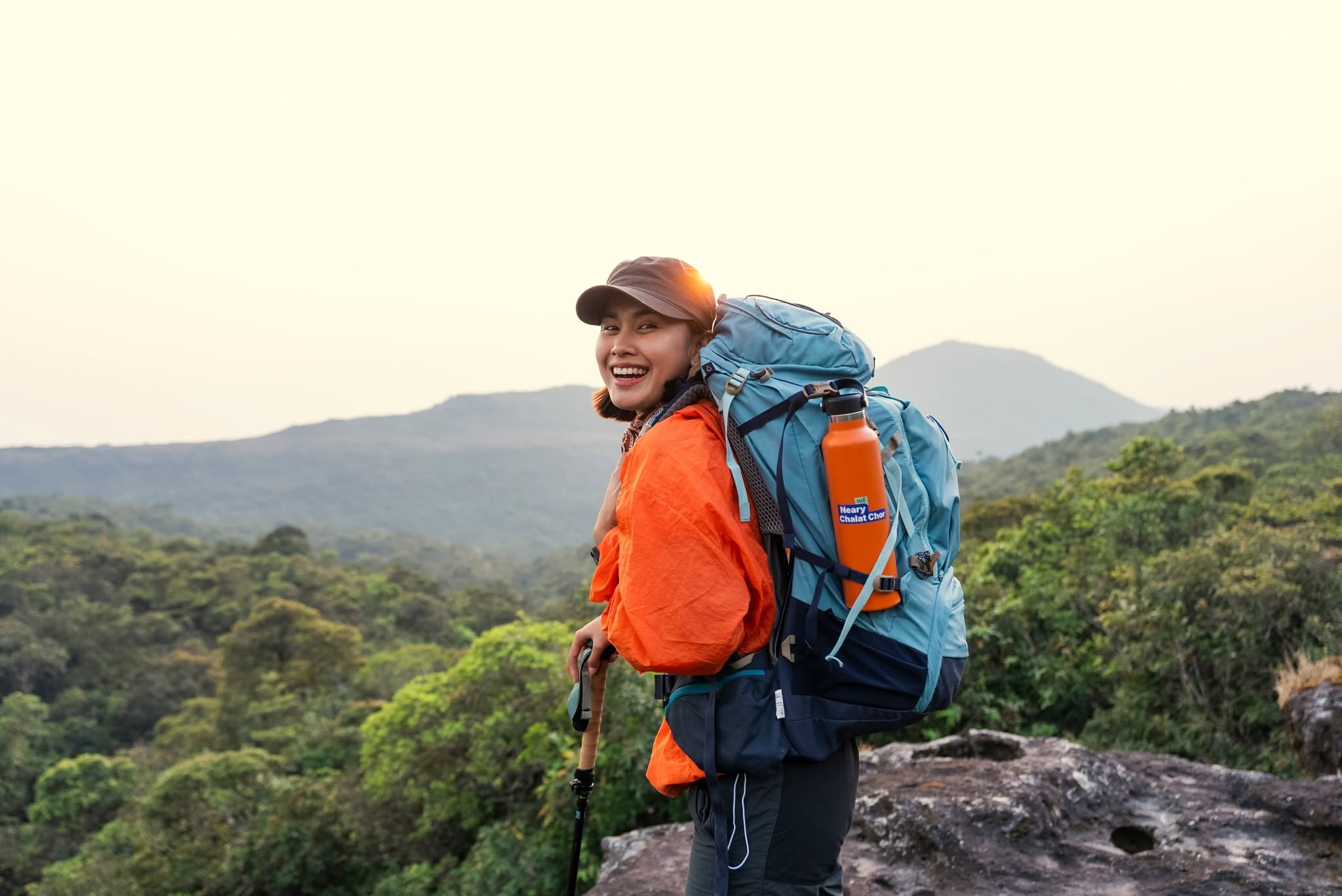
Some of the most meaningful journeys are the ones that allow us to step beyond the role of a visitor and experience a place through the people who call it home.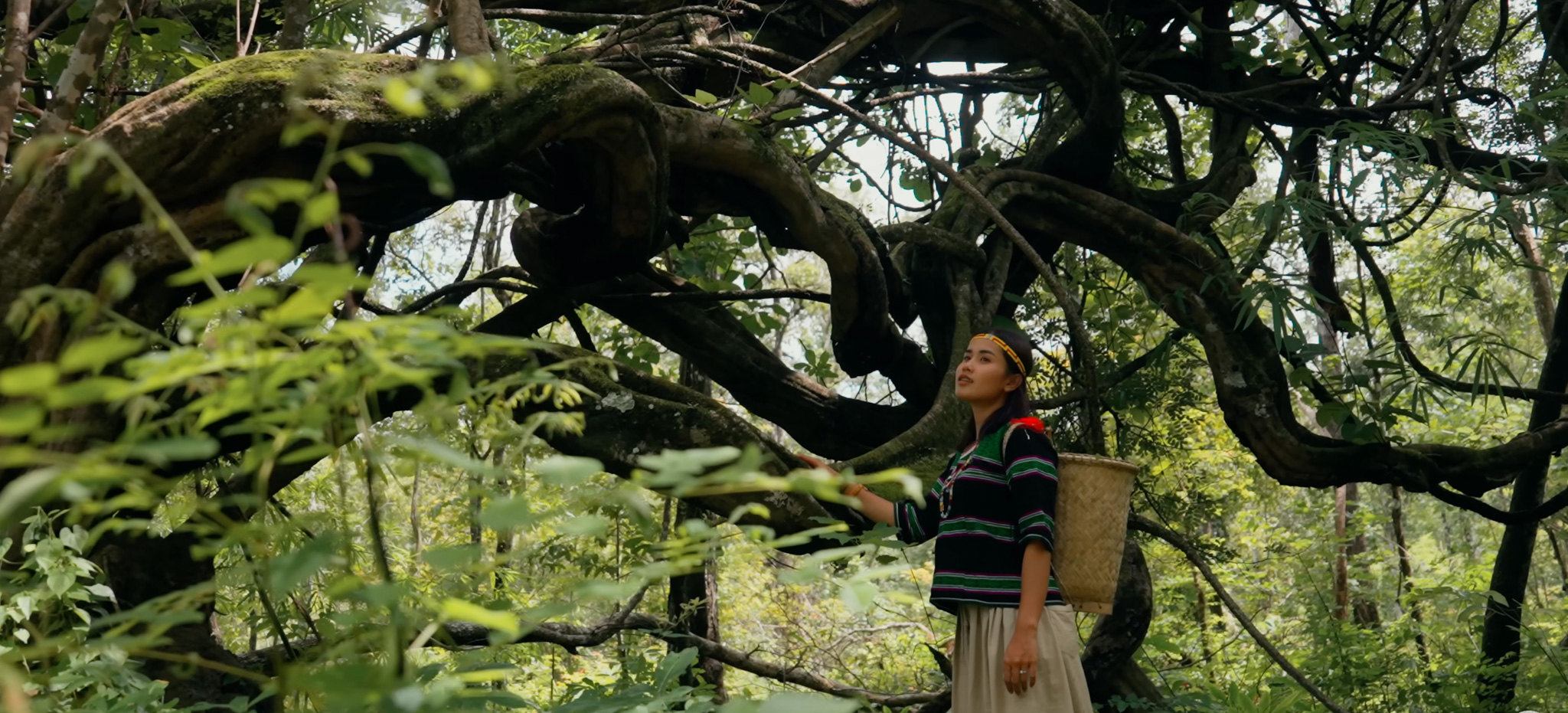
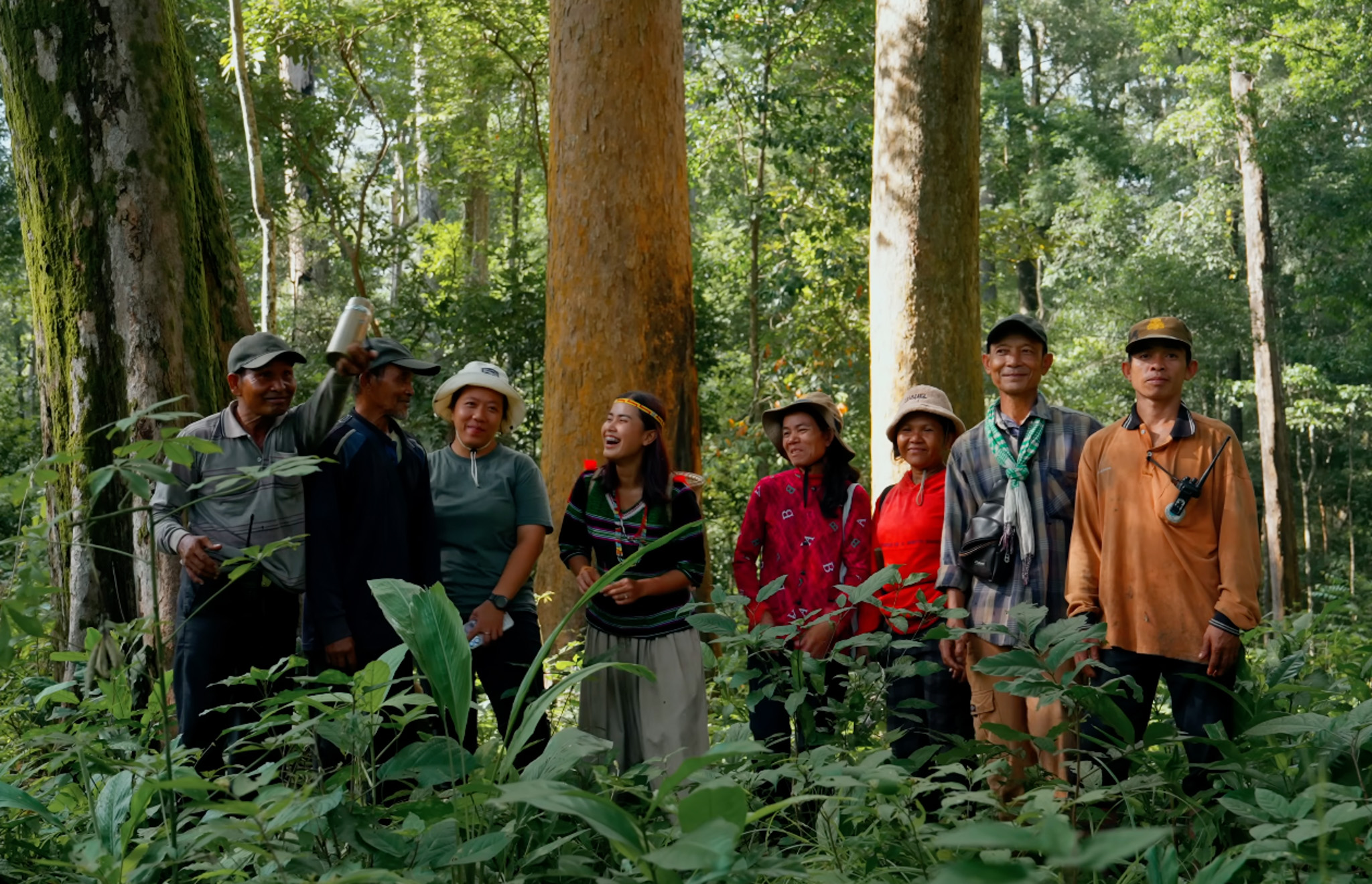
During my journey to Mondulkiri, I spent a full day with the Bu Nong Indigenous community inside the Keo Seima Wildlife Sanctuary, joining Uncle Veng and his family to learn about their traditional practice of resin collection.
I came into the forest curious about how resin is collected, but the experience became much more than that. It gave me a closer look at the relationship between the Bu Nong people, their livelihoods, their culture, and the forest that has supported generations of their community.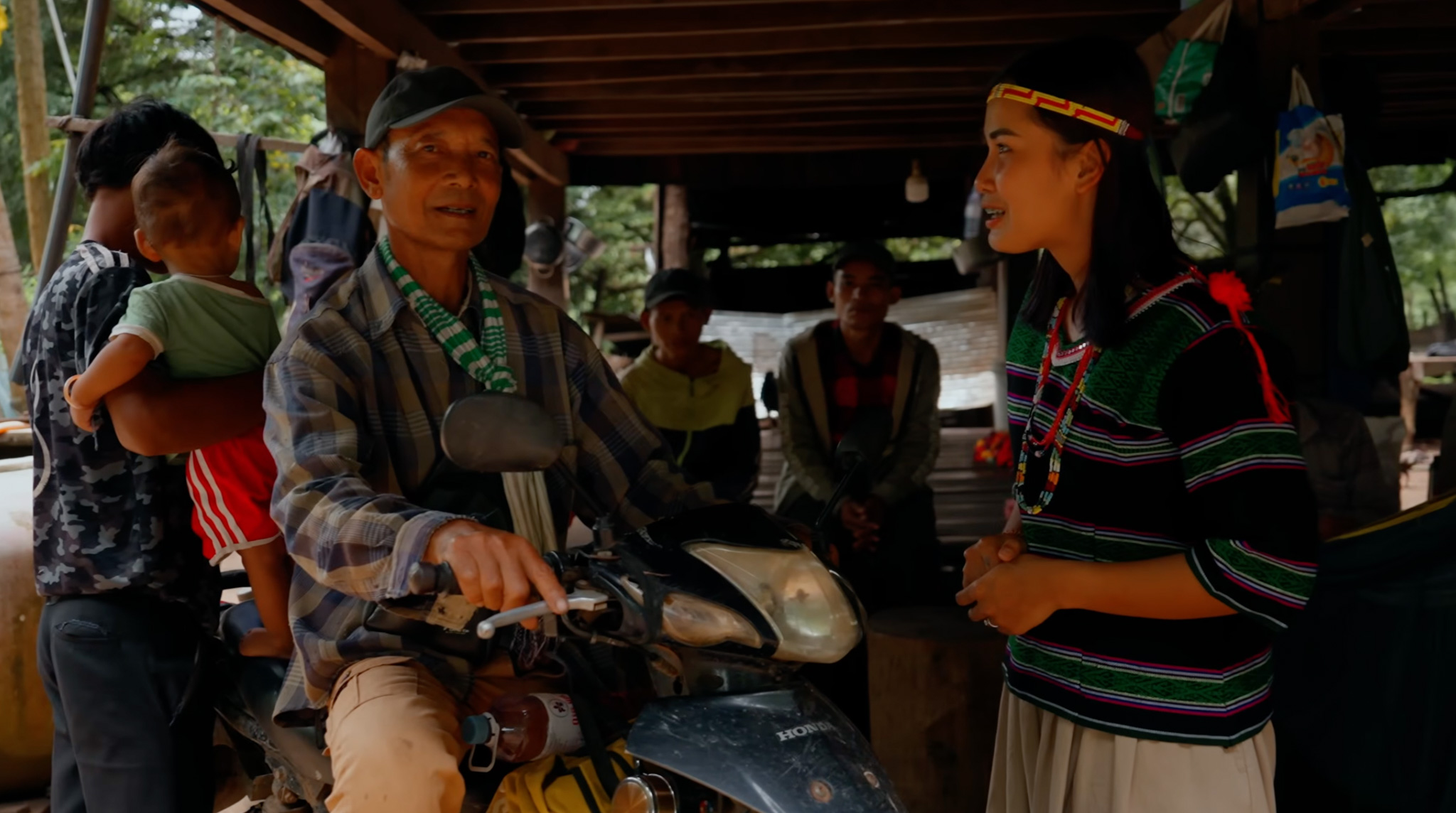
For the Bu Nong people, the forest is an essential part of everyday life. It provides natural resources and income, but it also holds cultural knowledge and traditions that have been passed down through generations. Spending the day with Uncle Veng allowed me to see this relationship from a perspective that I could never experience simply by visiting the forest on my own.
Let’s go to collecting resin from trees
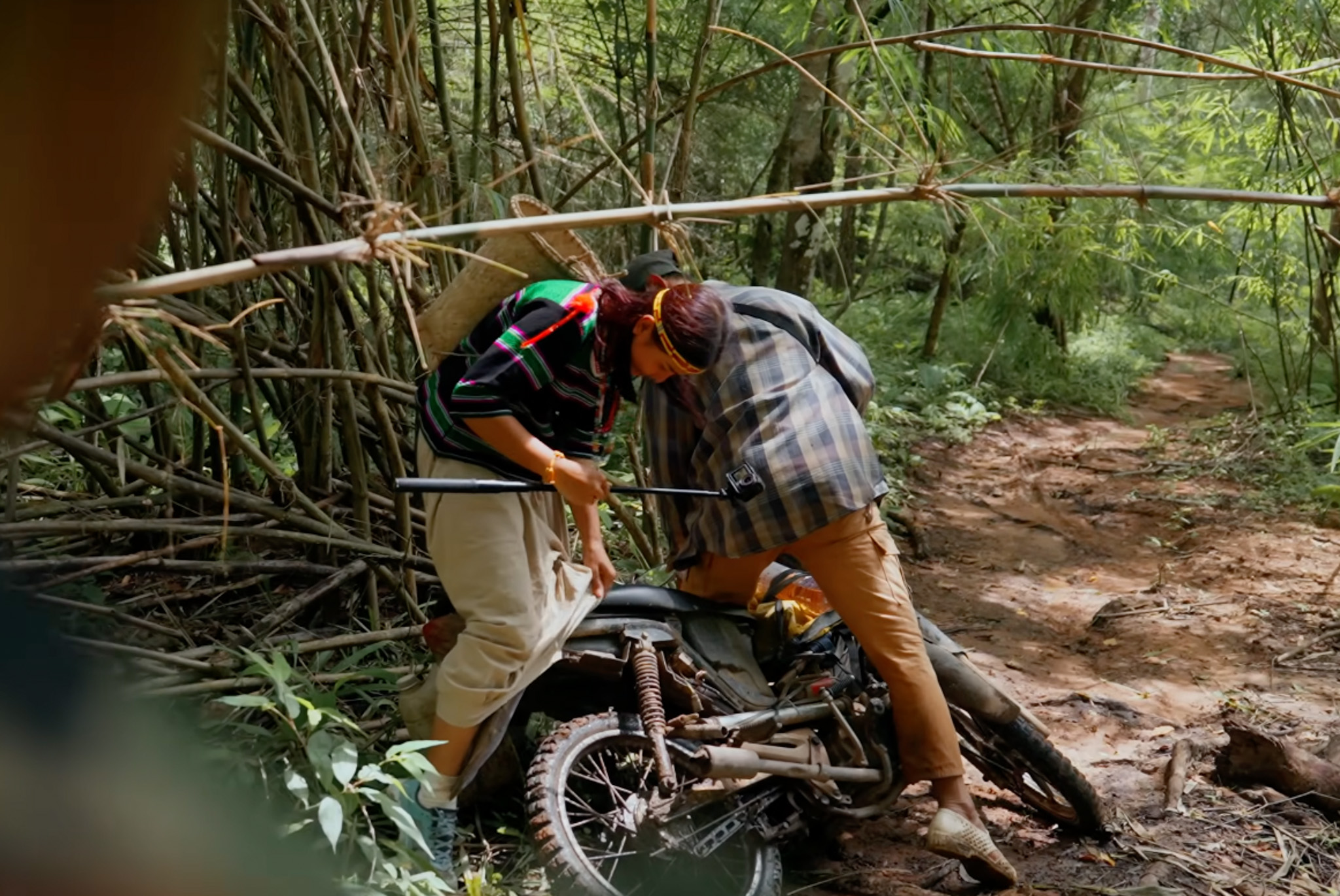
Our journey began with the family travelling deep into the forest toward the resin trees. The route was not easy. We moved through muddy, unpaved paths by motorbike and continued on foot through difficult terrain. For me, the journey itself became part of understanding the work. The resin trees are not found in places that are easily accessible, so reaching them requires time, physical effort, and a strong knowledge of the landscape.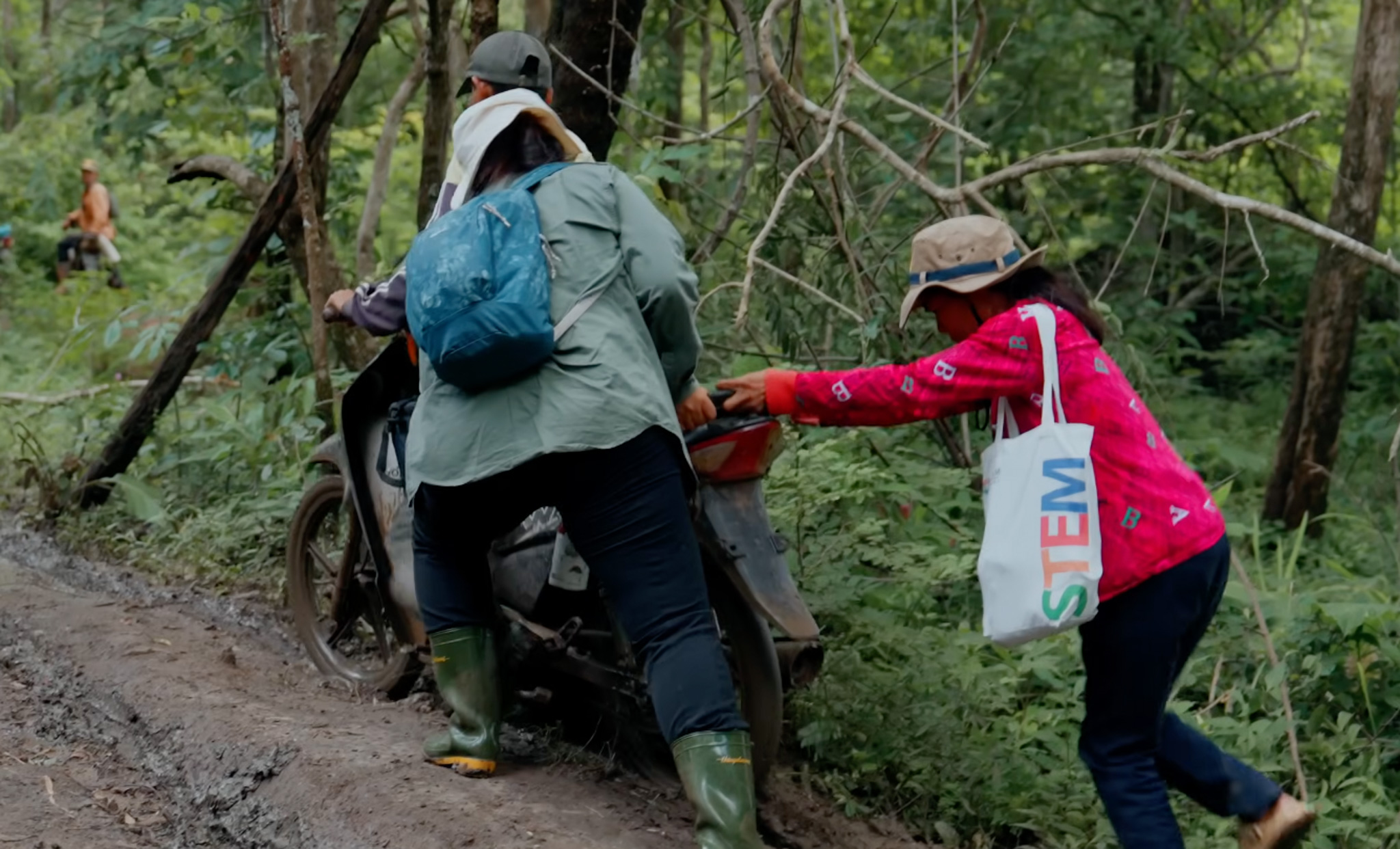
Along the way, we stopped to share a traditional meal together in the forest. Sitting with the family and eating surrounded by nature was a simple experience, but it gave me a better understanding of how closely their daily lives are connected to the environment.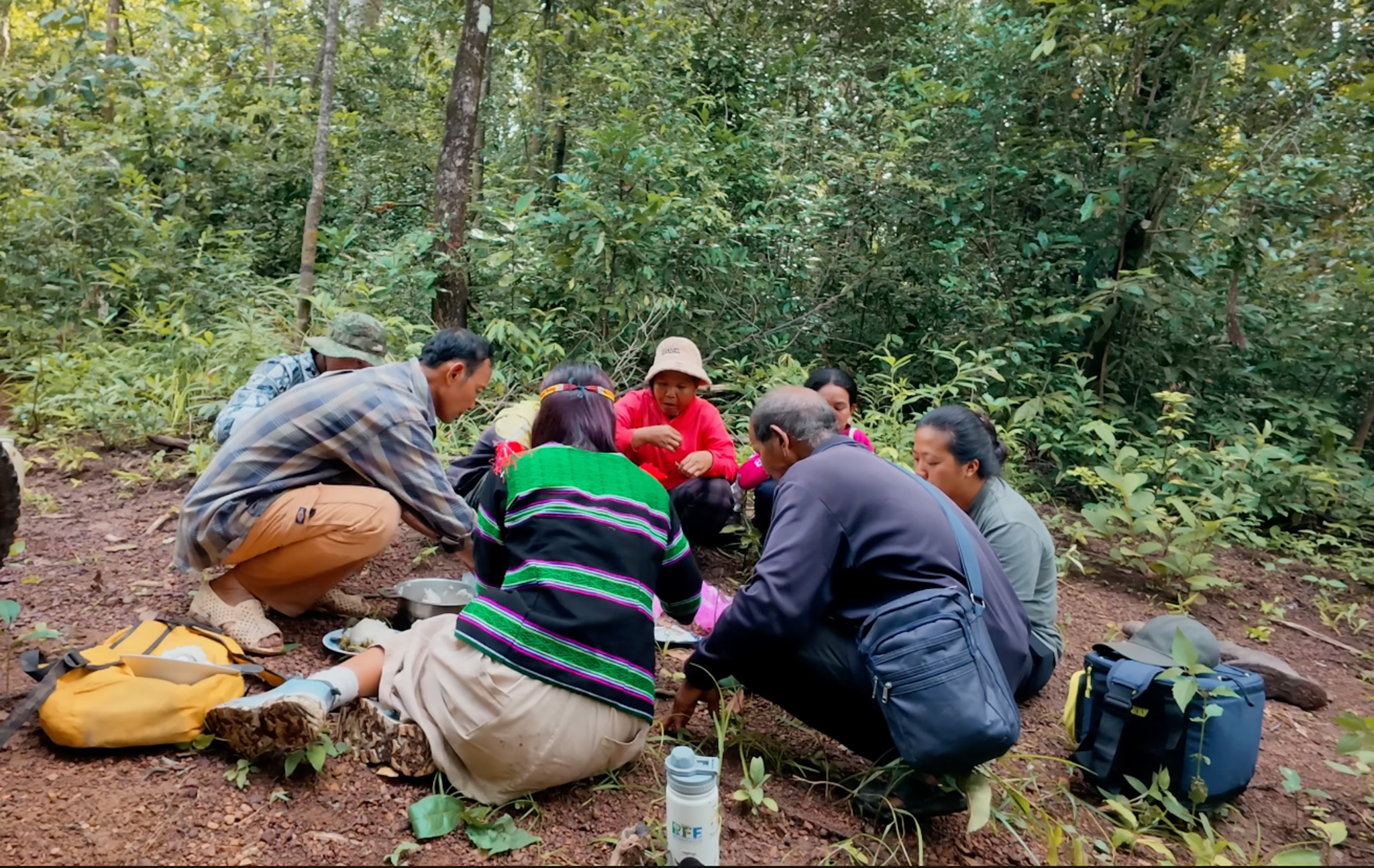
When we reached the resin trees, Uncle Veng introduced me to the traditional process of collecting resin from trees such as Dipterocarpus alatus or Dipterocarpus costatus. One of the most interesting things I learned was that each resin tree has an owner. Specific families manage and protect particular resin trees, passing this responsibility down through generations.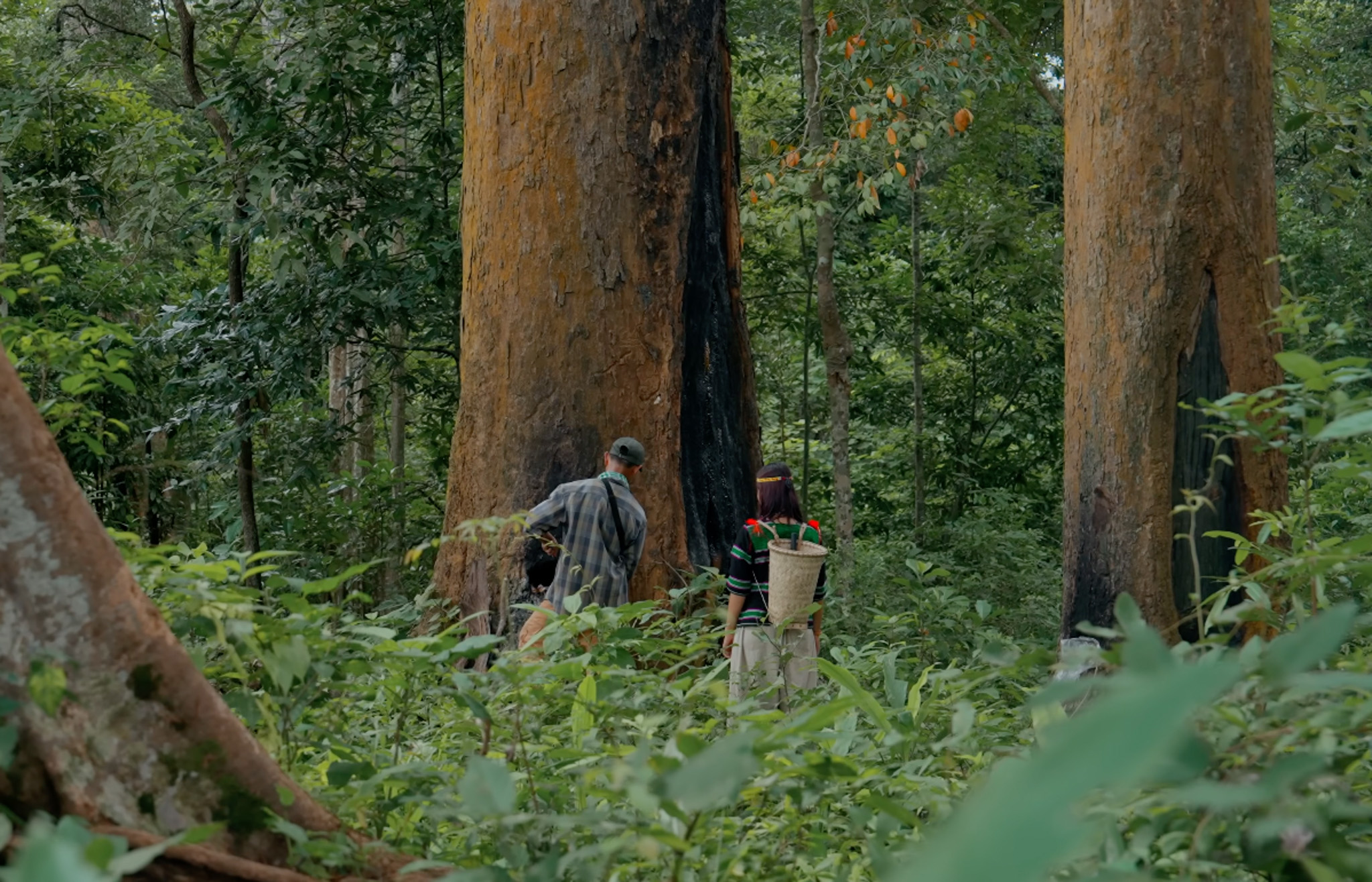
This creates a sense of responsibility because the trees are not treated as resources that can simply be taken from without limits. The families depend on them for their livelihoods, so protecting the trees is essential to ensuring that they can continue producing resin for future generations.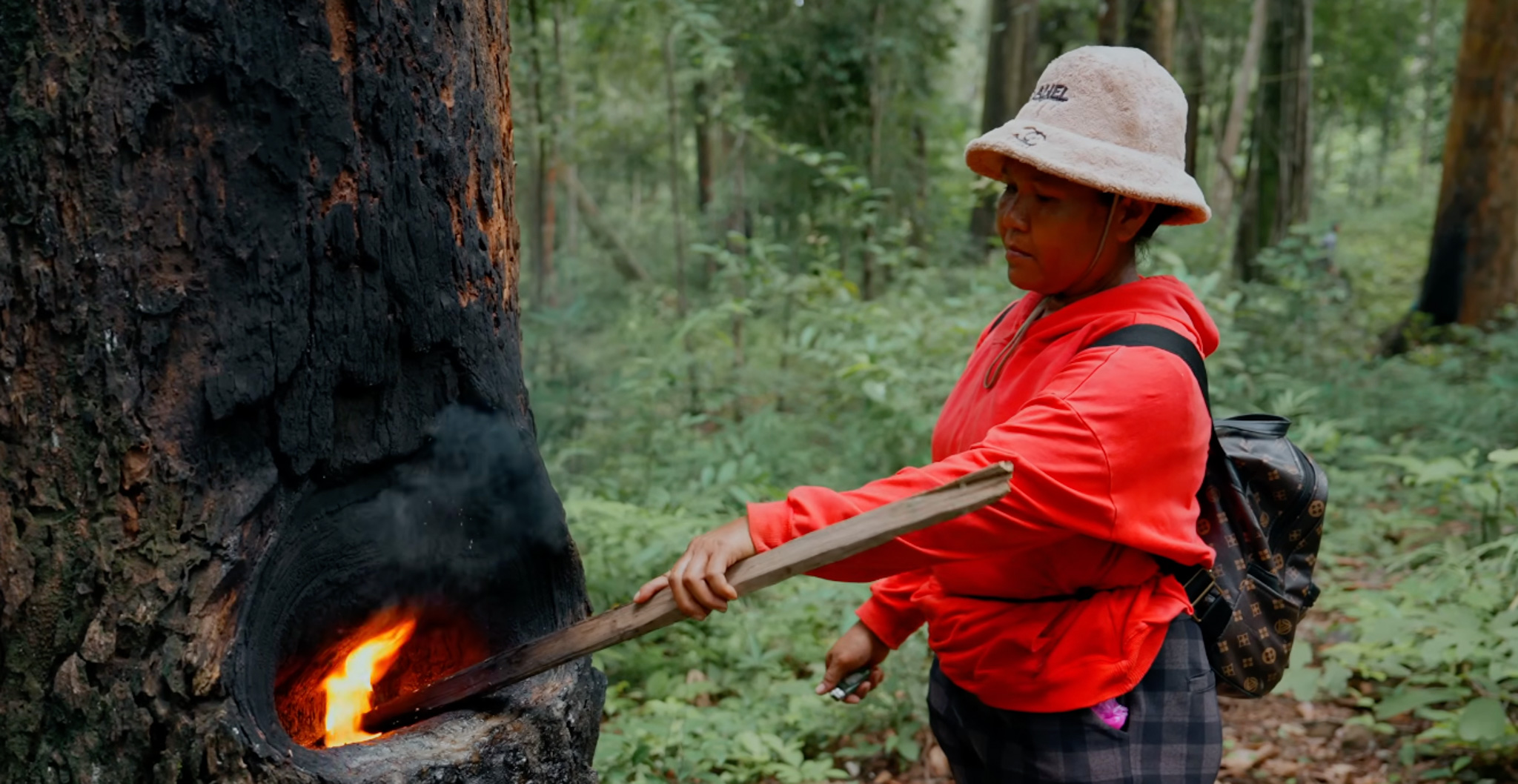
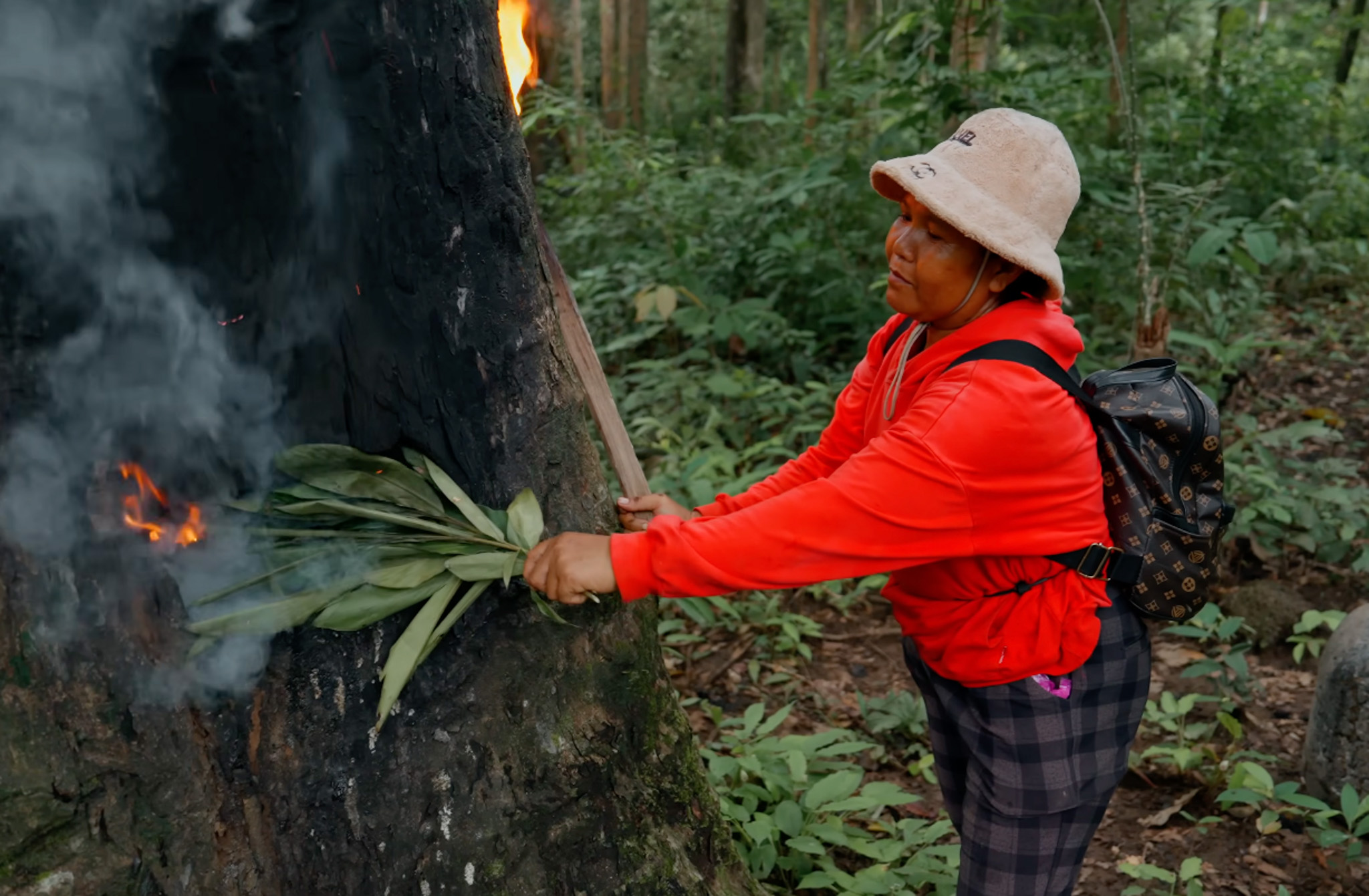
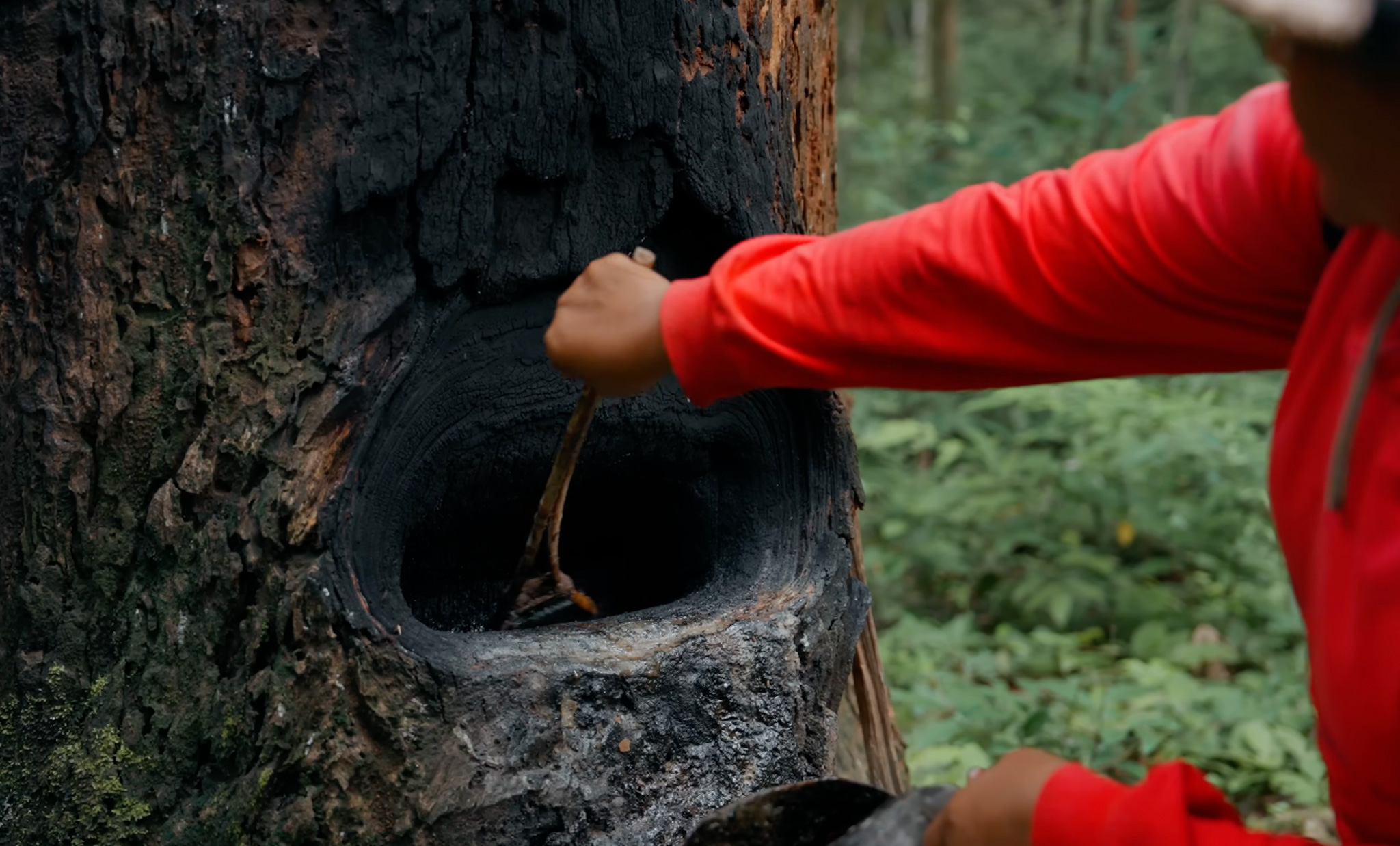
I also had the opportunity to see how controlled burning is used during the traditional collection process. The technique requires careful knowledge and attention. After the resin is collected, the fire is extinguished so that the tree remains alive and can continue producing resin.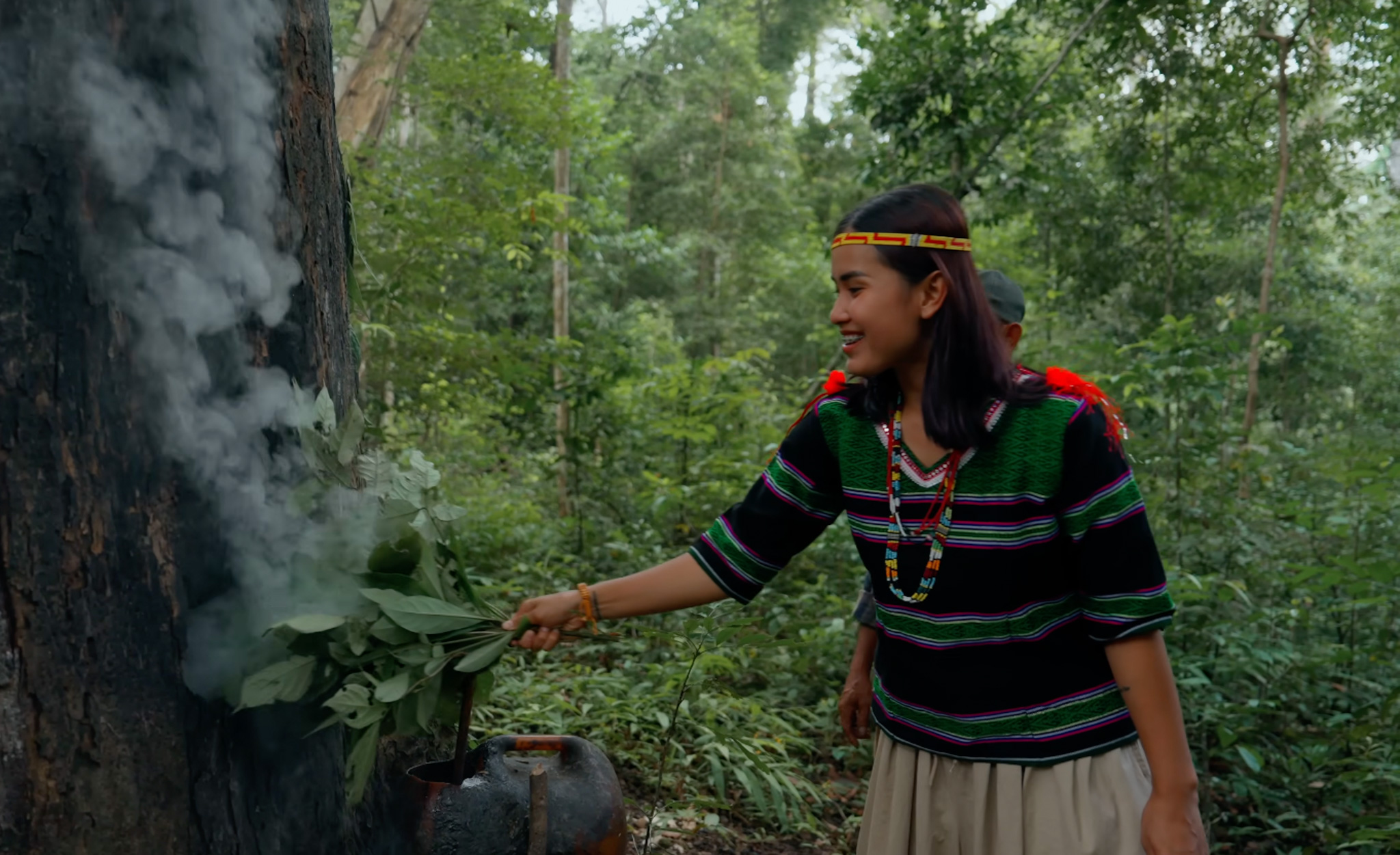
Before this experience, I had never really thought about the knowledge behind a product like resin. Watching the process firsthand made me realize that there is an entire system of traditional knowledge behind it, from identifying the right trees to managing them over time.
Resin collection has also historically supported a significant number of people in the region. According to the information shared in my experience, before 2010 approximately 17,800 people depended on the trade, generating an estimated $4.7 million to $7.8 million annually. These numbers helped me understand that resin collection is not simply a small traditional activity. For many communities, it has been an important source of livelihood.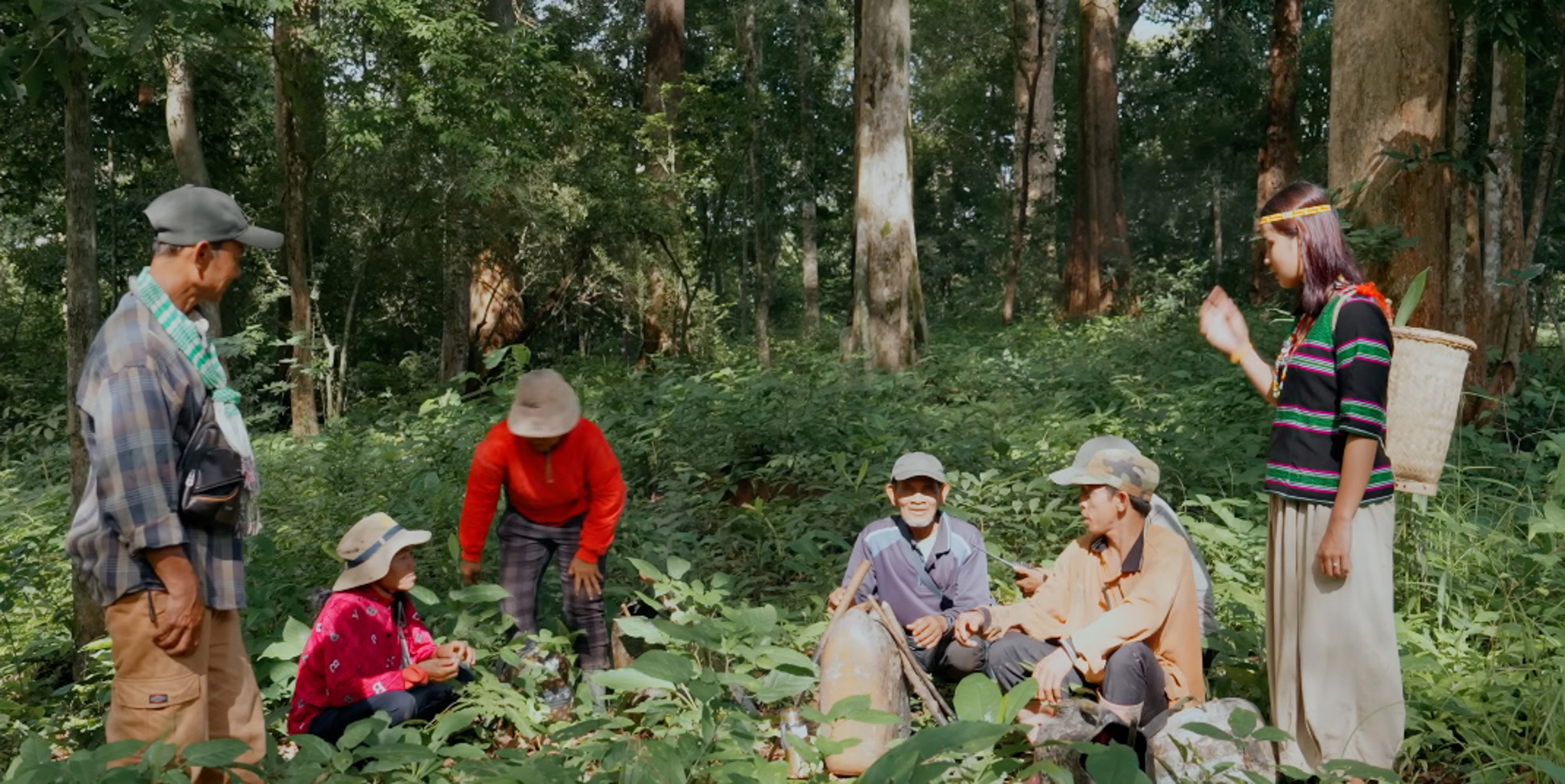
Learning From the Community
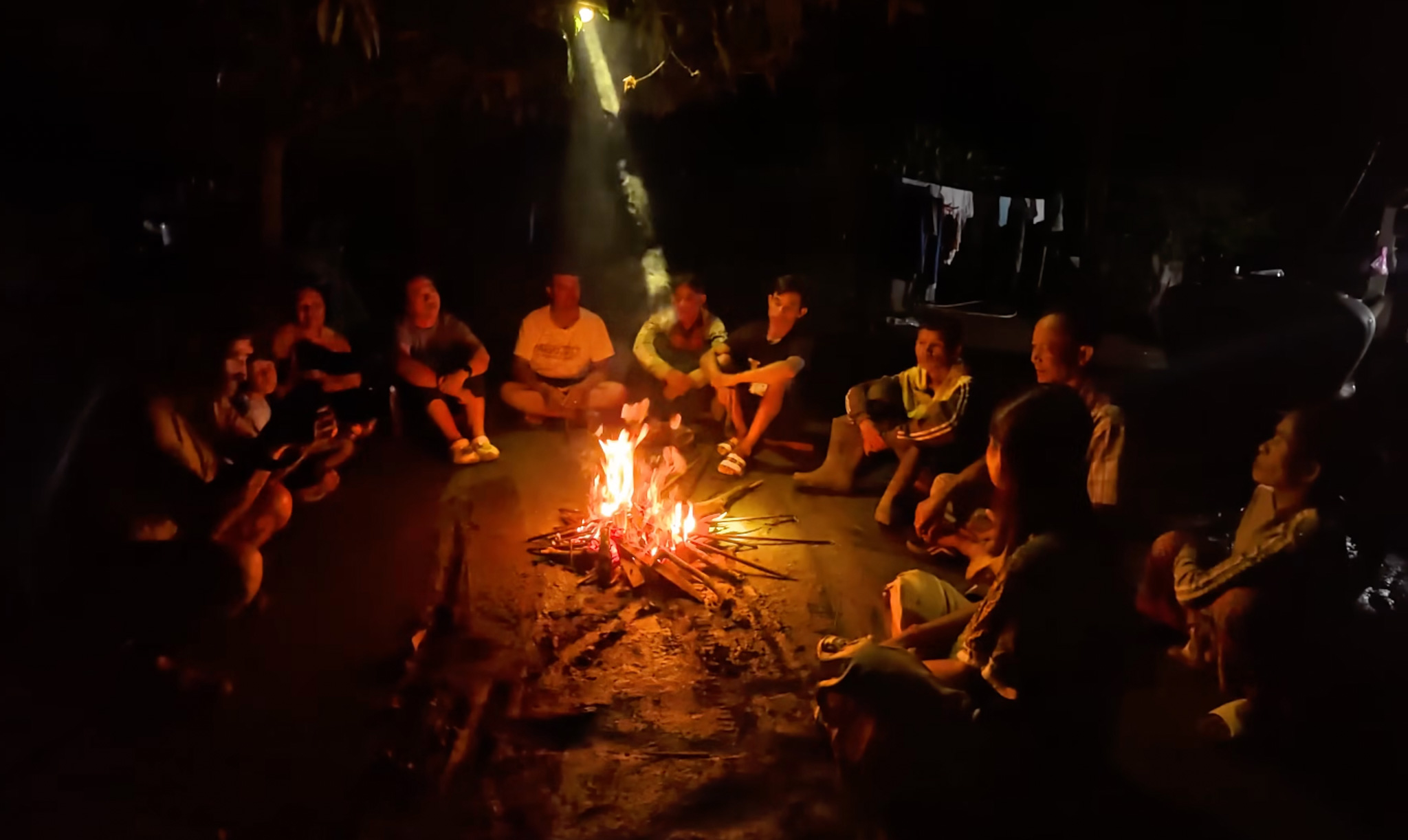
After returning from the forest, I continued the experience with the family in the village. I helped prepare dinner before sitting together around the campfire in the evening.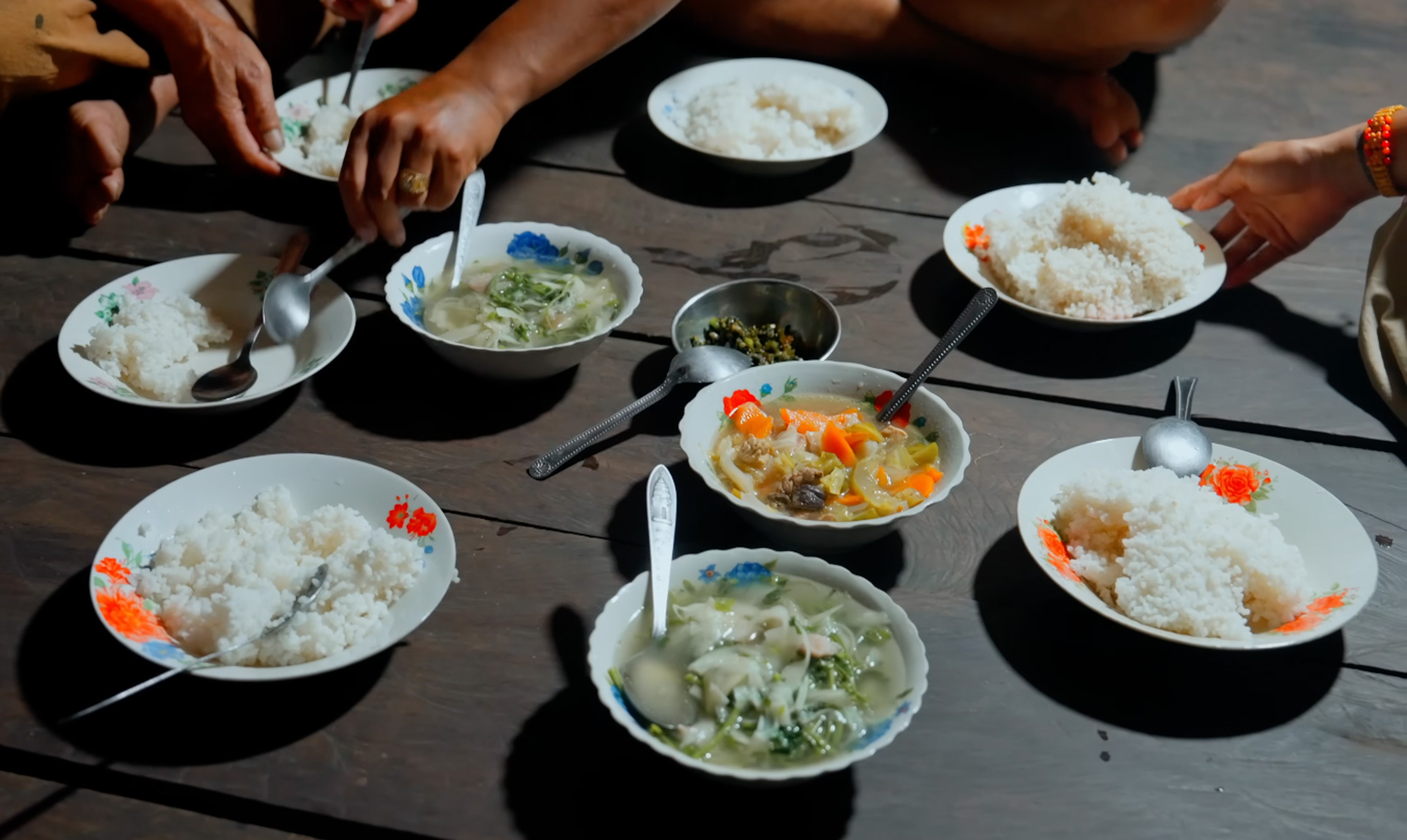
This was when the experience became even more meaningful to me. We talked about their relationship with the forest, their beliefs, and the challenges facing the community. Uncle Veng shared stories about illegal logging and the efforts of local people to help protect the forest through community patrols. Listening to him made me think about conservation differently.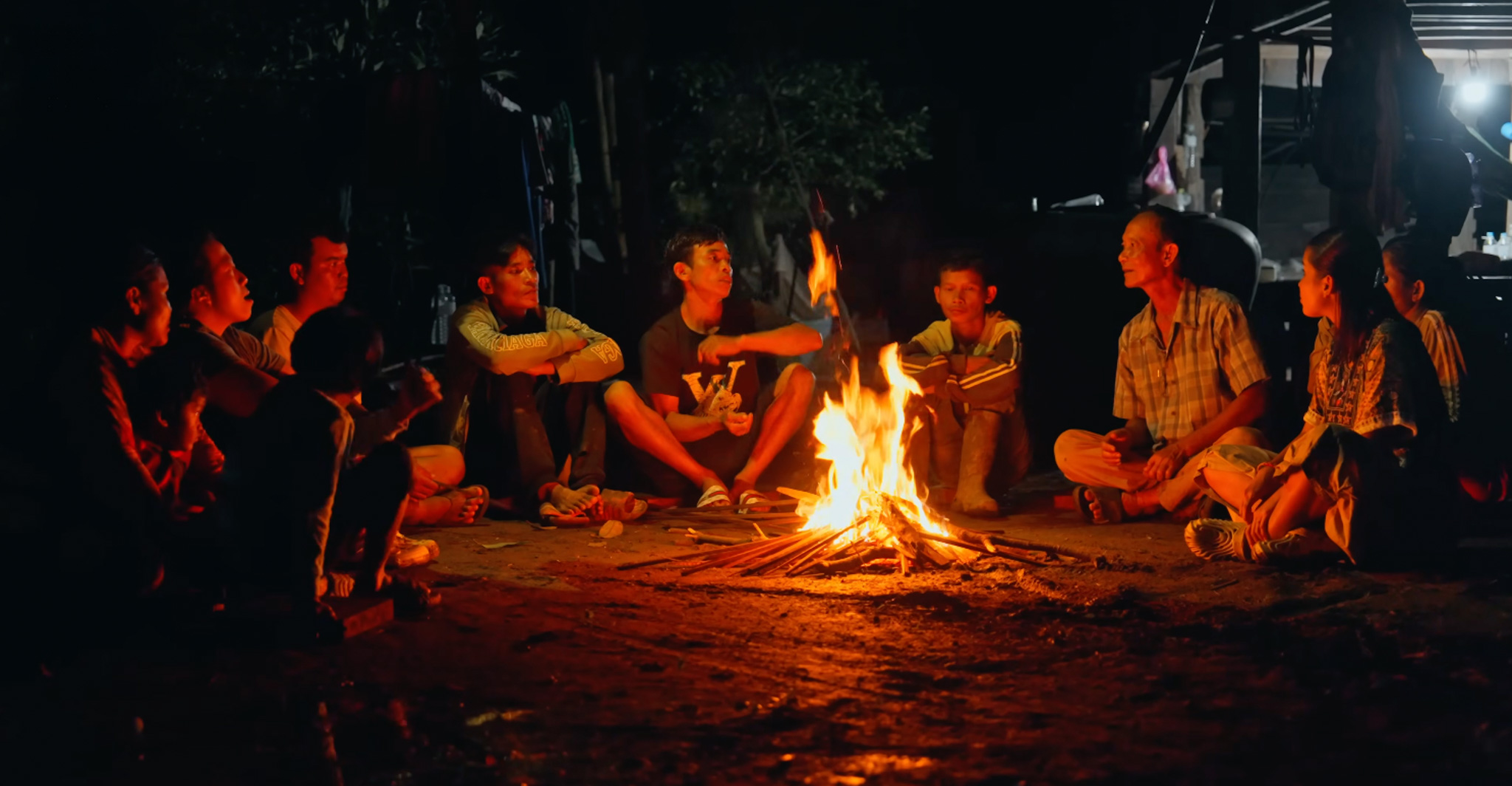
When people depend directly on a forest for their livelihoods, protecting that forest is also about protecting their own future. The community understands that if the forest is damaged or disappears, the resources and opportunities that support their families will disappear with it.
This is why the community is also interested in responsible eco-tourism. If visitors can come to learn about their culture and traditional livelihoods while creating income for local families, tourism can become another reason to protect the forest rather than exploit it.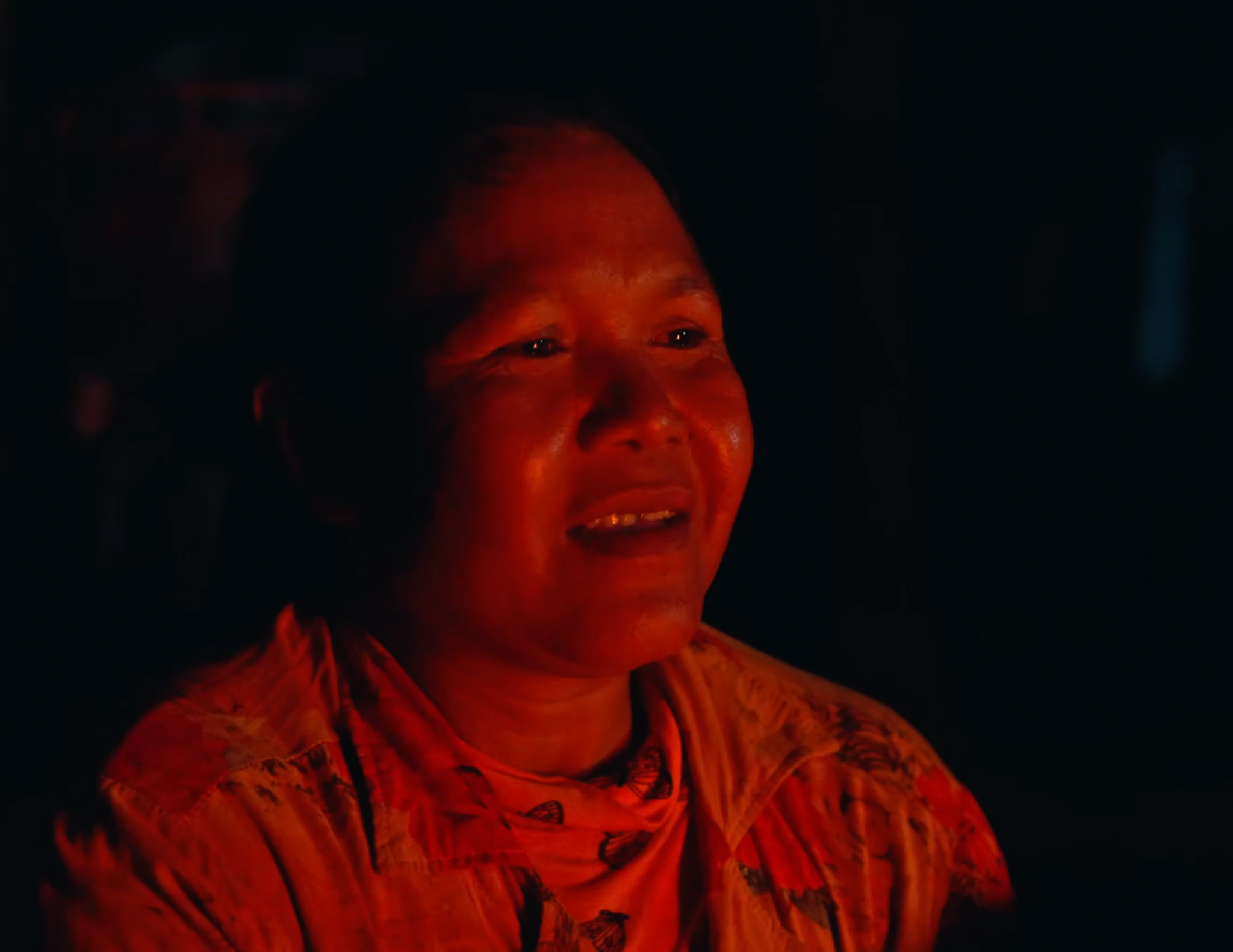
Support from organizations such as the Wildlife Conservation Society (WCS) also plays an important role. Through technical training, appropriate collection tools, and better market access, communities can strengthen their traditional livelihoods while receiving better value for sustainably collected products.
For me, this shows that conservation works best when local communities are part of the solution. Protecting nature and improving people’s livelihoods do not have to be separate goals. When they are connected properly, each can help strengthen the other.
What I Took Away From the Experience
I originally entered the forest because I wanted to understand resin collection. By the end of the day, I realized that the resin itself was only a small part of the story.
The bigger story was about knowledge and responsibility. The Bu Nong community has developed a deep understanding of the forest through generations of experience. They know which trees provide resin, how to collect it, how to manage the trees, and why protecting the forest matters.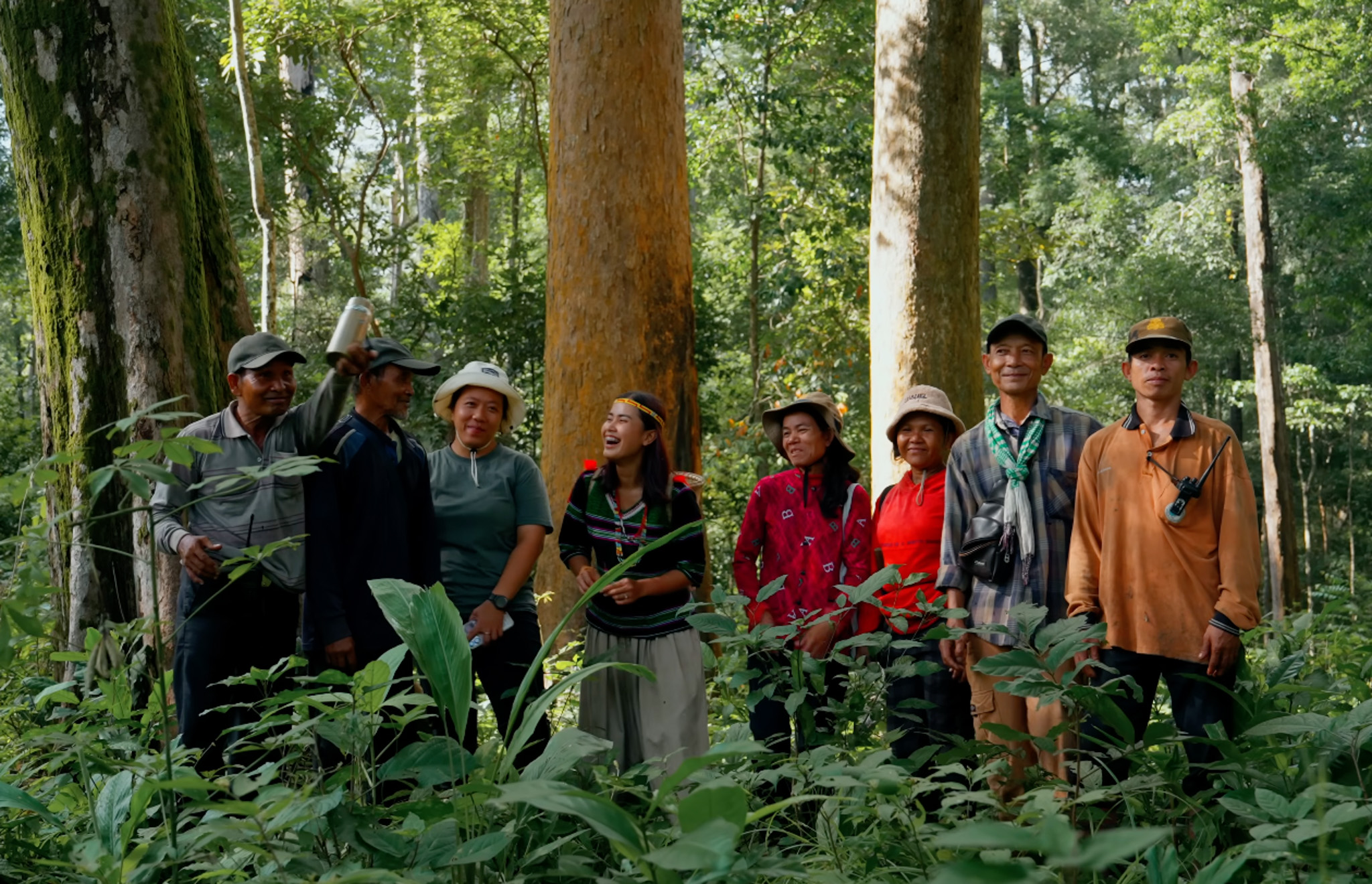
Spending time with them also reminded me that travelling is not always about discovering a new landscape. Sometimes it is about learning how another community sees and understands a landscape that you thought you already knew.
Mondulkiri is often described through its mountains, forests, waterfalls, and wildlife. But there is another side of the province that deserves just as much attention: the communities whose lives and traditions are connected to these natural landscapes.
My day with Uncle Veng and his family allowed me to experience that side firsthand. I walked through the forest with them, shared their food, learned about resin collection, helped prepare dinner, and listened to their stories around the fire. I left with a deeper appreciation for the Pu Nong people and for the knowledge they continue to carry.
Their experience reminded me that protecting a forest is not only about protecting trees and wildlife. It is also about protecting the culture, livelihoods, knowledge, and future of the people who have lived alongside it for generations. 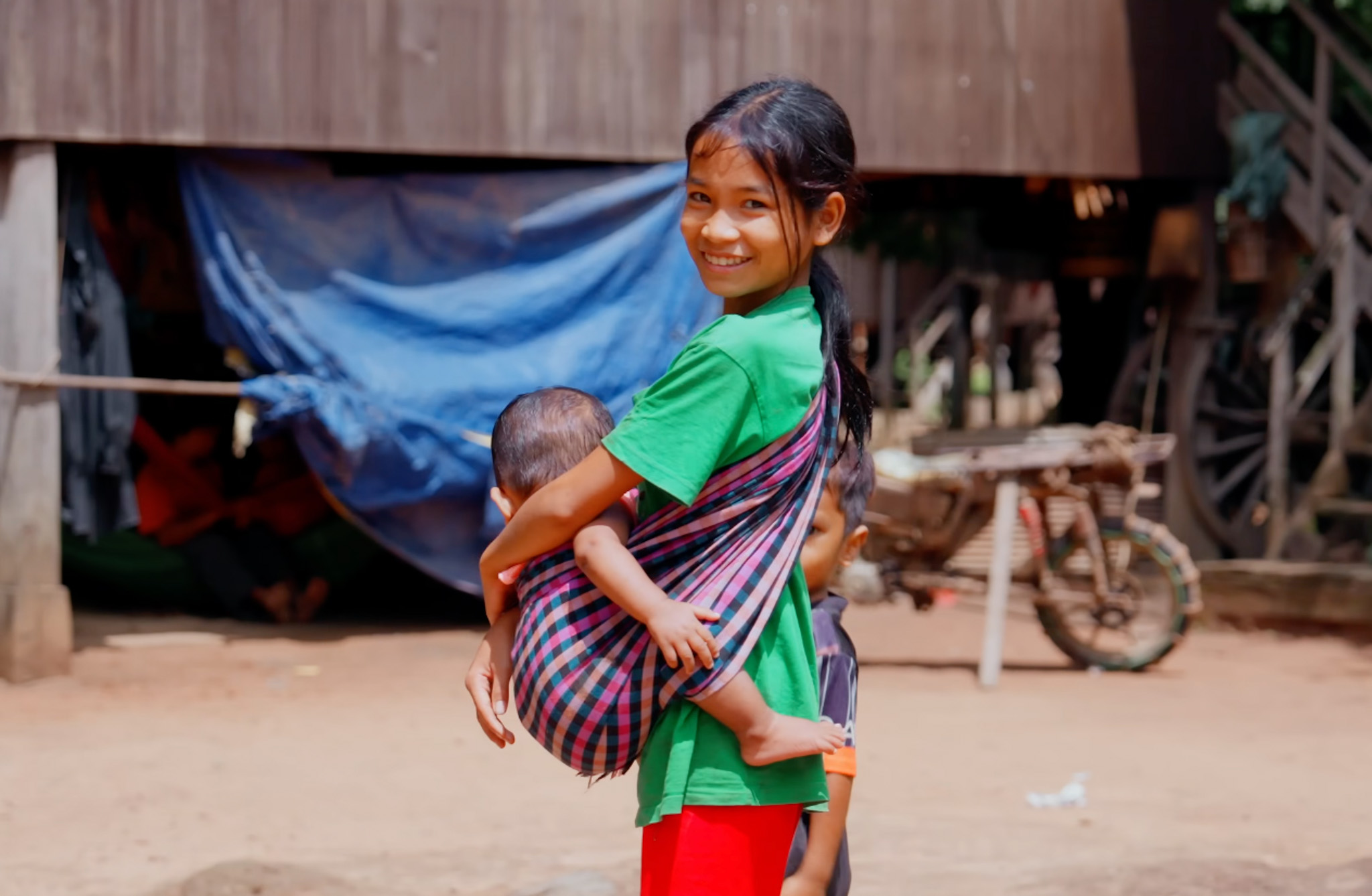
For me, that is what made this journey special. I did not simply visit the Keo Seima forest. I had the opportunity to see it through the eyes of the people who know it best.
“To understand a forest, sometimes we need to listen to the people who have lived with it for generations.” — Neary Chalat Chor